How I Nailed My First Equipment Buy Without Breaking the Bank
So, you're starting a business and need equipment—where do you even begin? I’ve been there, staring at quotes, confused by hidden costs, and nearly overspending on shiny machines I didn’t need. After months of research, mistakes, and tough lessons, I learned how to cut through the noise. This is my real story of doing a smart cost analysis, spotting traps, and saving serious cash—without risking quality. If you’re new to this, what I share could save you thousands.
The Moment I Realized Equipment Costs Could Make or Break My Business
Starting a small business is exciting, but it also brings tough financial realities. One of the earliest shocks I faced was understanding how much equipment would impact my cash flow. At first, I thought the sticker price was the only number that mattered. I focused on finding the cheapest model, believing that would keep me safe financially. But within weeks of making my first major purchase, I realized I had made a costly mistake. The initial price tag was just the beginning. Delivery fees, installation charges, training sessions for staff, and even the cost of temporary downtime during setup—all of these added up quickly. What looked like a $12,000 machine on paper ended up costing closer to $24,000 once every associated expense was factored in.
This experience was a wake-up call. I had underestimated the full scope of what it means to bring new equipment into operation. For a small business with limited reserves, unexpected costs like these can strain finances or even delay operations. I began to see that equipment decisions aren’t just about acquiring tools—they’re strategic financial moves that affect profitability, scalability, and long-term sustainability. My mindset started to shift from simply asking “Can I afford this?” to asking “What will this truly cost over time?” That change in perspective was the first step toward smarter, more responsible decision-making. It also led me to develop a more thorough approach to evaluating every potential purchase.
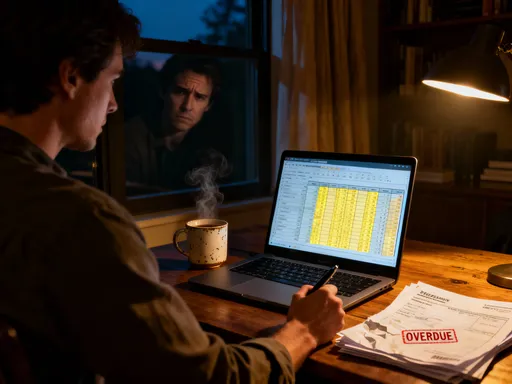
I started keeping a detailed spreadsheet where I logged not only the purchase price but also every possible ancillary cost. I included line items for transportation, setup labor, software integration, compliance testing, and projected maintenance for the first three years. This allowed me to compare options more accurately and avoid being misled by seemingly low upfront prices. By mapping out the full financial picture, I was able to identify which machines offered better value over time, even if they weren’t the cheapest at first glance. This practice helped me avoid another near-miss with a popular brand that promised savings but required proprietary parts and expensive service contracts—costs that weren’t disclosed until after the sale.
Breaking Down the True Cost: What Most Beginners Overlook
Many new entrepreneurs make the same mistake I did: focusing only on the purchase price. But the real cost of equipment goes far beyond the invoice. Financial experts often refer to this as the total cost of ownership (TCO), a concept that includes all expenses tied to acquiring, operating, maintaining, and eventually replacing a piece of machinery. When I learned about TCO, it completely changed how I approached procurement. Instead of comparing models based on price alone, I began evaluating them based on long-term value. This included direct costs like energy consumption, repair frequency, and part availability, as well as indirect ones such as employee training time and production efficiency.
One example stands out clearly. I was choosing between two packaging machines—one priced at $18,000 and another at $23,000. On the surface, the cheaper option seemed like the obvious choice. But when I dug deeper, I found that the less expensive model used outdated technology, required special power adapters, and had a reputation for frequent breakdowns. The higher-priced alternative, meanwhile, was energy-efficient, compatible with standard electrical systems, and came with a five-year service agreement. After projecting maintenance, utility, and downtime costs over five years, the more expensive machine actually saved nearly $7,000 in operating expenses. The lesson was clear: paying more upfront can lead to significant savings down the road.
Another often-overlooked factor is depreciation. Equipment loses value over time, and some types lose it faster than others. High-tech or specialized machinery may become obsolete within a few years, making resale difficult and reducing return on investment. In contrast, durable, widely used models tend to hold their value better. I began researching resale trends for the types of equipment I needed, looking at online marketplaces and industry reports to understand which brands retained value. This information influenced my choices—sometimes leading me to spend a bit more on a trusted brand known for longevity and strong secondary market demand. Thinking about future resale helped me treat equipment not just as an expense, but as a recoverable asset.
Additionally, I became more aware of hidden infrastructure requirements. Some machines need reinforced flooring, upgraded ventilation, or additional safety systems to comply with regulations. These modifications aren’t always mentioned in sales brochures but can add thousands to the total cost. By consulting with facility managers and reviewing technical specifications carefully, I avoided several costly surprises. Understanding the full scope of what’s required to integrate new equipment into my workspace became a standard part of my evaluation process. This attention to detail ensured that my budget wasn’t derailed by last-minute construction or compliance expenses.
Renting vs. Buying: A Practical Comparison for New Entrepreneurs
When I first started, I assumed that buying equipment was always the smarter move. Ownership sounded permanent, secure, and financially responsible. But as I gained experience, I realized that renting or leasing could be a more practical option—especially in the early stages of a business. Renting gave me flexibility during uncertain periods, allowed me to test equipment before committing, and helped preserve my working capital. For short-term projects or industries where technology evolves quickly, leasing made far more sense than making a large upfront investment.
I began analyzing break-even points to determine when buying made financial sense. This meant calculating how many months of use would justify the cost of ownership versus continued rental payments. In one case, I needed a commercial-grade printer for a six-month contract. The purchase price was $15,000, while the monthly rental rate was $600. At that rate, it would take 25 months of continuous use to break even—far longer than my project required. Renting saved me $8,400 and eliminated the risk of being stuck with underutilized equipment afterward. This kind of analysis helped me make data-driven decisions instead of emotional ones.
I also discovered rent-to-own programs, which offered a middle ground between leasing and purchasing. These agreements allowed me to use the equipment immediately while building equity with each payment. After a set period, usually 24 to 36 months, ownership transferred to me. The advantage was flexibility—no large down payment, predictable monthly costs, and the option to walk away if the equipment didn’t meet expectations (though this often meant losing prior payments). For essential but non-critical machinery, this model provided access without overcommitting. It was particularly useful when launching seasonal operations or testing a new product line.
Another benefit of renting was access to newer technology. Manufacturers often update their models annually, and buying outright could leave me with outdated equipment in just a few years. With leasing, I could upgrade at the end of a term and stay current without major reinvestment. This was especially valuable for digital tools, software-integrated systems, and automation equipment. While renting isn’t ideal for long-term, high-use assets, it proved to be a smart strategy for managing risk and maintaining agility in the early, unpredictable phases of business growth.
How Financing Works—and Where the Traps Are Hidden
When cash flow is tight, financing can feel like a necessary lifeline. I considered it carefully when I needed a large oven for my bakery expansion. The machine cost $28,000—well beyond my available funds. A vendor offered financing with “low monthly payments” of $500 over six years. That sounded manageable—until I calculated the total repayment. With interest, I would have paid over $36,000, nearly 30% more than the original price. Even worse, the agreement included a prepayment penalty, meaning I couldn’t pay it off early to save on interest. This experience taught me that not all financing is created equal, and terms matter more than monthly comfort.
I began comparing different lending options: traditional bank loans, Small Business Administration (SBA) loan programs, and vendor-provided financing. Bank loans typically offered lower interest rates but required stronger credit and more documentation. SBA loans were designed for small businesses and often came with favorable terms, including longer repayment periods and government-backed guarantees. Vendor financing, while convenient, sometimes carried higher interest rates and less flexibility. I learned to read every clause carefully, especially around interest calculation methods, balloon payments, and default penalties. A seemingly attractive offer could hide expensive pitfalls if I wasn’t vigilant.
One key lesson was prioritizing shorter loan terms, even if that meant higher monthly payments. While stretching payments over many years reduces immediate pressure, it increases total interest and ties me to outdated equipment for longer. I found that a four-year loan at a slightly higher monthly cost ended up saving thousands compared to a seven-year plan. Additionally, shorter terms encouraged disciplined budgeting and faster equity buildup. I also made sure to check whether the loan was secured or unsecured—secured loans used the equipment as collateral, which lowered risk for lenders but meant I could lose the asset if I missed payments.
To protect myself, I always requested a full amortization schedule before signing. This showed exactly how much I’d pay over time and how much went toward principal versus interest. I avoided any plan that didn’t provide transparency. I also negotiated terms whenever possible—some vendors were willing to reduce interest rates or waive fees for customers with good credit. By treating financing as a serious financial decision rather than a quick fix, I avoided debt traps and maintained control over my business’s financial health.
Used Equipment: Smart Move or Risky Gamble?
At first, I was hesitant about buying used equipment. Stories of breakdowns, missing parts, and unsupported models made me nervous. I worried about reliability and whether maintenance would become a constant burden. But after watching several experienced business owners successfully integrate secondhand machinery into their operations, I decided to explore the option more seriously. What I discovered surprised me—there are high-quality, well-maintained machines available at a fraction of the new price. The key, I learned, was due diligence.
I started by looking into certified pre-owned programs offered by reputable manufacturers and dealers. These programs often include inspections, refurbishment, and limited warranties—offering peace of mind similar to buying new. I also consulted with a trusted technician to help evaluate machines before purchase. We checked service logs, tested performance under load, and verified compatibility with my existing systems. In one case, I bought a three-year-old packaging system for 45% less than retail. It had been lightly used, came with updated software, and included six months of support from the seller. Over the next two years, it performed flawlessly and saved me over $12,000.
Another advantage of used equipment is faster availability. New machines sometimes have long lead times due to manufacturing delays or shipping constraints. Used units, especially local ones, can be delivered and installed within days. This speed helped me meet urgent production deadlines without paying for expedited shipping or rush orders. I also found that some suppliers specialize in reconditioned industrial equipment, offering full diagnostics and performance guarantees. For durable, long-life assets like ovens, compressors, or conveyors, going used proved to be a smart, cost-effective strategy.
Of course, not all used equipment is a good deal. I learned to avoid machines with obsolete controls, discontinued parts, or poor service networks. I also stayed away from auctions or private sales without proper documentation. Instead, I focused on trusted dealers, trade shows, and industry referrals. By setting clear criteria—such as age limits, warranty availability, and service history—I minimized risk and maximized value. Used equipment didn’t eliminate costs, but it shifted my spending timeline and freed up capital for hiring, marketing, and inventory—areas that directly impact customer satisfaction and revenue growth.
The Hidden Value of Resale and Upgrades
Early on, I viewed equipment as a one-way expense—money spent, never recovered. But over time, I realized that some machines retain value remarkably well. High-demand, durable models can recover 50% to 70% of their original cost when resold, especially if they’re well-maintained and from reputable brands. This shifted my thinking: equipment wasn’t just a cost center, but a recoverable asset. I began choosing models known for longevity, ease of maintenance, and broad industry adoption—factors that increase resale appeal. I also paid attention to brands with strong dealer networks and available support, knowing that buyers would be more confident purchasing secondhand units with service options.
I also started considering upgrade paths. Instead of paying for advanced features upfront, I looked for machines that allowed modular enhancements. For example, I bought a basic labeling system that could later integrate barcode scanning and cloud connectivity through software updates or add-on modules. This “pay-as-you-grow” approach reduced initial costs and let me align investments with actual business needs. It also meant I wasn’t overpaying for capabilities I wouldn’t use for years. By planning for future scalability, I made smarter purchasing decisions and avoided technological obsolescence.
Selling used equipment also became part of my financial strategy. When I upgraded to a larger oven, I listed the old one on an industry marketplace. Within three weeks, I received multiple offers and sold it for 60% of its original price. That return helped offset the cost of the new machine and improved my cash flow. I now treat every major purchase with resale potential in mind, keeping maintenance records, operating manuals, and software licenses organized and accessible. This preparation makes future sales smoother and more profitable. Viewing equipment through a lifecycle lens—acquisition, use, upgrade, resale—has made my business more efficient and financially resilient.
Building a Cost-Effective Procurement Strategy from Scratch
Putting all these lessons together, I developed a clear, repeatable process for acquiring equipment without overspending. The first step was defining my needs with precision. Instead of buying based on desire or trends, I asked specific questions: What tasks must this machine perform? How often will it be used? Is there a simpler, more affordable alternative? This clarity helped me avoid unnecessary features and focus on functionality. I also involved team members in the evaluation process—those who would operate the equipment often spotted practical concerns I had overlooked.
Next, I compared total cost of ownership across multiple options. I created side-by-side analyses that included purchase or rental cost, energy use, maintenance estimates, expected lifespan, and resale value. When possible, I arranged demos or trial periods to test performance firsthand. This hands-on experience often revealed differences in usability, noise, and reliability that weren’t apparent from brochures. I also negotiated aggressively—many suppliers expect it and are willing to offer discounts, extended warranties, or free training to close a deal. I never accepted the first quote and always asked, “Can you do better?”
I set strict budget caps based on my cash flow, not wishful thinking. If a machine exceeded the limit, I explored alternatives rather than stretching my finances. I also built relationships with suppliers who provided honest advice, not just sales pitches. These trusted partners helped me avoid overbuying and recommended cost-effective solutions tailored to my scale. Over time, this structured approach reduced stress, cut costs, and gave me confidence in every purchase. Equipment no longer felt like a financial burden—it became a strategic tool for growth, efficiency, and long-term stability.