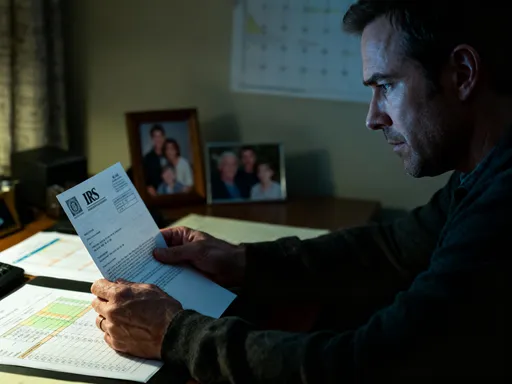
How I Survived a Contract Nightmare — And What Tools Actually Saved Me
Ever felt trapped in a contract you didn’t fully understand? I’ve been there — signing what seemed like a simple agreement, only to face unexpected disputes later. It cost me time, stress, and nearly my savings. But from that mess, I learned which financial tools truly work when things go south. This isn’t legal advice — it’s real talk from someone who’s been burned and fought back. Let me walk you through what actually helps when your contract turns toxic. The experience taught me that financial protection isn’t just about saving or investing wisely; it’s also about safeguarding yourself from hidden liabilities that can erode your stability overnight. What I discovered wasn’t a miracle solution, but a series of practical, accessible tools that restored control when everything else felt out of reach.
The Moment It All Went Wrong
It started with what I thought was a smart decision — partnering with a vendor to supply materials for a small side business I had launched from home. I was excited, cautious, and believed I had done enough homework. The contract was presented as straightforward: fixed pricing, clear delivery dates, and a 30-day satisfaction guarantee. It was signed electronically through a platform I recognized, and I kept a copy in my cloud folder. Everything looked legitimate. I even showed it to my sister, who said it seemed fair. But within weeks, the first red flag appeared: the materials arrived late, and half were unusable. When I requested a refund under the guarantee clause, the company claimed the terms had been updated — and I had supposedly agreed to the changes through an automated email notification I never received.
The confusion deepened when I reviewed the original document and compared it to the version they sent. Minor wording differences altered the obligations significantly. Their support team was unresponsive, and escalation led to higher fees just to file a complaint. I began to feel a sense of helplessness. The amount wasn’t massive — just over $3,000 — but for someone managing a household budget, funding kids’ activities, and saving for retirement, it represented months of careful planning undone. I lost sleep, worried about explaining the loss to my spouse, and questioned my judgment. The emotional toll was as heavy as the financial one. What hurt most wasn’t just the money; it was the betrayal of trust in a system I thought was secure. I had assumed digital contracts were safer, more transparent. Instead, I learned the hard way that a signature, even an electronic one, is not protection — it’s just the beginning of accountability.
What followed was a months-long effort to recover what I could. I gathered emails, called customer service repeatedly, and eventually threatened legal action. But without clear documentation and a strong financial paper trail, I had little leverage. That experience became a turning point. I realized that financial resilience isn’t only about income and savings; it’s also about how well you defend what you already have. A contract, no matter how small, can become a financial threat if not managed with the same care as a bank account or investment portfolio. This moment of crisis pushed me to reevaluate how I interact with agreements — not as formalities, but as active financial commitments that require monitoring, verification, and protection.
Why Contracts Are More Than Just Paper
Most people treat contracts as one-time events — sign, file, forget. But in reality, a contract is a living financial instrument. It governs cash flow, defines obligations, and creates risk exposure that can last for months or even years. Think of it like a loan agreement: the moment you sign, you’re not just making a promise — you’re taking on potential liabilities. Automatic renewals can drain your bank account without warning. Vague service descriptions allow providers to deliver less than expected while still claiming compliance. Penalty clauses may trigger if you try to cancel, even for valid reasons. These aren’t rare edge cases; they’re common features buried in everyday agreements, from gym memberships to software subscriptions.
One of the most dangerous aspects of modern contracts is their asymmetry. Companies have legal teams reviewing every word. Consumers, especially busy individuals managing homes and families, rarely have that luxury. We skim, click “I agree,” and move on. But that convenience comes at a cost. A 2022 consumer report found that over 60% of contract disputes arise from misunderstandings about renewal terms or hidden fees — not from intentional breaches. That means the problem isn’t dishonesty; it’s imbalance. The financial impact can be significant. A seemingly minor monthly subscription with a steep cancellation fee can end up costing more than a year’s worth of payments if not managed properly. A service contract with unclear performance standards can leave you paying for results you never receive.
Shifting your mindset is the first step toward protection. Instead of treating contracts as static documents, view them as dynamic parts of your financial ecosystem. Just as you monitor your credit score or track grocery spending, you should actively manage your contractual obligations. This means knowing when renewals are due, understanding exit clauses, and verifying that terms haven’t changed after signing. Some financial advisors now recommend treating contracts like line items in a budget — not just for tracking payments, but for assessing risk. For example, before signing any agreement, ask: What happens if the service fails? How much will it cost to leave? Is there a dispute resolution process? These questions transform a passive signature into an informed financial decision. The goal isn’t to become paranoid, but to become proactive — to recognize that every contract carries financial weight, and ignoring it is like leaving a door unlocked in a safe neighborhood. Eventually, someone will test it.
The Financial Tools That Exposed the Truth
When my dispute escalated, I stopped relying on memory and emotion. I turned to tools I already used for budgeting and organization — but started using them differently. The first breakthrough came from a cloud-based document platform. I uploaded every version of the contract, including the initial draft and the final signed copy. The platform’s version history showed exactly when changes were made — and crucially, that the revised terms were added *after* I had signed. That timestamp became critical evidence. Without it, my claim would have been a “he said, she said” situation. But with a verified digital trail, I had proof the update wasn’t part of our original agreement.
Next, I leveraged my digital payment platform. I had paid via a well-known online service that offers buyer protection for certain transactions. Though the vendor argued the sale was final, the platform allowed me to file a formal dispute. I uploaded the original contract, the delivery issues, and my communication attempts. Within two weeks, they ruled in my favor and issued a partial refund. That wouldn’t have happened if I’d used a wire transfer or cash. The key wasn’t the tool itself, but how I used it — not just to pay, but to create a financial audit trail. Every transaction became a data point, not just an expense.
Budgeting apps also played a surprising role. I used one to track my monthly spending, but during the dispute, I created a custom category for “contract losses.” It automatically calculated how much I’d lost, how long the issue had persisted, and even projected future costs if unresolved. Seeing the numbers in a clear dashboard shifted my perspective. It wasn’t just about getting money back — it was about measuring the true cost of poor contract management. That data also helped me explain the situation to my family without emotion clouding the facts. More importantly, it showed me where I needed to improve. These tools didn’t give me legal power, but they gave me control — turning a chaotic, stressful situation into a structured, manageable process. They reminded me that financial technology, when used intentionally, isn’t just for tracking income and expenses. It’s for defending your financial integrity.
How to Audit a Contract Like a Pro (Without Being a Lawyer)
You don’t need a law degree to protect yourself — you need a system. After my experience, I built a four-step audit process using tools I already had or could access for free. Step one: upload every contract to a secure cloud storage service with version control. This ensures you always have the original, unaltered copy. Step two: use a free PDF analyzer tool to scan for high-risk language. These tools highlight phrases like “automatic renewal,” “limitation of liability,” or “binding arbitration” — terms that often favor the provider. They won’t interpret the law, but they’ll flag what to read more closely.
Step three is creating a checklist. I developed a simple one based on common pitfalls: Does it state delivery dates? Are refund conditions clear? Is there a cancellation process? I save this as a template and review every agreement against it before signing. I also use note-taking apps to record my understanding of key clauses — not for legal use, but to catch discrepancies later. Step four is setting up alerts. I enter renewal dates into my calendar with a 30-day warning, so I’m never caught off guard. For larger contracts, I add a second reminder at 14 days and another at 7 days, giving me time to evaluate whether to renew, negotiate, or exit.
These steps take less than 20 minutes per contract, but they’ve prevented multiple issues since. One time, the PDF analyzer flagged an auto-renewal clause in a home security service agreement I nearly missed. Another time, my checklist revealed that a freelance contract didn’t specify payment timelines — a detail I clarified before signing. The goal isn’t perfection; it’s awareness. By treating contract review like a routine financial task — similar to checking your bank statement — you reduce risk without adding stress. These tools don’t replace professional advice when needed, but they empower you to make smarter decisions upfront. And for someone juggling family, work, and personal goals, that peace of mind is priceless.
Preventing Disputes Before They Start
The most effective financial strategy is prevention. Once I realized how much damage a single contract could cause, I shifted from reactive to proactive. I started integrating contract management into my regular financial routine. The first change was using e-signature platforms that provide detailed audit trails. These don’t just record your signature — they log the date, time, IP address, and even whether the document was viewed in full before signing. That digital footprint can be crucial if a dispute arises. More importantly, knowing that every action is recorded makes both parties more accountable.
I also began syncing contract terms with my personal finance dashboard. For example, if a service costs $79 per month, I add it as a recurring expense with a note about the end date and cancellation policy. Some budgeting apps now allow custom fields, so I use them to store contract IDs or reference numbers. This creates a centralized view of all my financial commitments — not just how much I’m paying, but what I’m paying for and under what conditions. It’s like having a financial radar that alerts you to potential risks before they become problems.
Another key step was setting up automated reminders for renewal windows. Many companies rely on customer inertia — they assume you’ll forget to cancel. But with calendar alerts and task managers, I’m never surprised. I also use email filters to flag communications from specific vendors, so updates or policy changes don’t get buried in my inbox. This system has saved me hundreds of dollars in unwanted renewals. More importantly, it’s reduced anxiety. I no longer worry about hidden charges or missed deadlines. Prevention isn’t about suspicion; it’s about organization. By aligning legal commitments with financial planning tools, I’ve turned contract management from a source of stress into a structured, manageable habit — one that protects both my money and my peace of mind.
When to Walk Away — And How to Do It Safely
Sometimes, the smartest financial decision is to exit. But leaving a contract can be risky if not done correctly. I learned this when I decided to terminate a long-term service agreement after repeated failures. I wanted out, but I was afraid of penalties or legal threats. So I used financial tools to plan my exit strategically. First, I calculated the total cost of staying versus leaving — including fees, time, and emotional energy. My budgeting app helped model different scenarios, showing that paying an early termination fee was still cheaper than another six months of poor service.
Next, I documented every step. I used encrypted email to send my cancellation request, kept copies of all responses, and saved timestamps. I also tracked any related expenses — like phone calls or postage — in a dedicated category. This created a clear, chronological record that could serve as evidence if needed. I even activated credit monitoring for a few months to watch for unexpected charges or collections activity. It was a small cost for the reassurance it provided.
The key was professionalism. I didn’t argue or threaten — I stated facts, referenced contract terms, and followed the provider’s cancellation process exactly. By using tools to stay organized and calm, I avoided escalating the situation. The result? I left the contract with minimal cost and no legal issues. Walking away isn’t failure; it’s financial wisdom. But doing it safely requires preparation, documentation, and emotional discipline. With the right tools, you can protect your finances even in moments of transition. You don’t have to accept poor service or unfair terms — you just need a plan.
Building Your Contract Defense Toolkit
Today, I have a standard set of tools I use for every contract, big or small. It’s not expensive, complicated, or time-consuming — just consistent. My core toolkit includes a cloud storage service with version history, a PDF analyzer for spotting red flags, a budgeting app with custom categories, an e-signature platform with audit trails, and a calendar with automated reminders. I also use a note-taking app to record my understanding of key terms and a secure email service for official communications.
These tools work together like a financial immune system. When a new contract comes in, I upload it, scan it, review it against my checklist, and schedule renewal alerts. If issues arise, I have evidence, tracking, and communication logs ready. I don’t do this because I distrust everyone — I do it because I value my time, money, and peace of mind. This system took less than an hour to set up initially, and now it runs smoothly in the background of my financial life.
The best part? Almost all of these tools are free or included with services I already pay for. You don’t need special access or technical skills. You just need the intention to protect yourself. Contracts are unavoidable in modern life, but they don’t have to be dangerous. With the right approach, they can be transparent, manageable, and even empowering. I no longer sign agreements blindly. I review, verify, and secure them — treating each one as a financial decision worthy of attention.
Looking back, I wish I’d treated contracts like investments — something that requires due diligence, ongoing monitoring, and risk assessment. The tools I once ignored became my lifeline. Today, I don’t just sign agreements; I secure them. And the best part? You don’t need special access or money to do the same. With the right approach and the right tech, you can turn any contract from a potential trap into a transparent, manageable part of your financial life. It’s not about fear — it’s about freedom. And that’s a financial win worth protecting.