How Acupuncture, Massage, and My Daily Diet Changed My Recovery Game
Recovering from long-term physical strain used to feel endless—until I combined acupuncture, massage, and small diet shifts. I didn’t expect food to play such a big role in healing. But over time, less inflammation, better sleep, and faster recovery made it real. This isn’t a miracle fix, just simple, science-backed steps that actually help. Always check with your doctor, but these changes? Totally worth exploring.
The Hidden Link Between Bodywork and Nutrition
For years, many people have viewed therapies like acupuncture and massage as isolated treatments—something you do when pain flares up, then return to normal life afterward. But true recovery isn’t just about relieving symptoms on the surface. It’s about understanding how the body heals from within. What if the real breakthrough comes not just from what happens on the treatment table, but also from what’s on your plate? The connection between bodywork and nutrition is often overlooked, yet it’s one of the most powerful partnerships for long-term wellness.
Inflammation is at the core of most chronic discomfort. Whether it’s stiffness in the lower back, tension in the shoulders, or aching joints, inflammation signals that the body is under stress. Acupuncture and massage both help reduce physical tension and calm the nervous system, which in turn lowers inflammatory markers. But if your daily diet includes foods that trigger inflammation—like processed sugars, refined grains, or trans fats—then you’re essentially working against your own progress. You may feel relief after a session, only to return to the same cycle of discomfort days later.
This disconnect explains why some people don’t see lasting results, even with regular bodywork. Treating muscle tightness without addressing internal contributors—such as poor digestion, blood sugar imbalances, or nutrient deficiencies—can limit how far healing goes. For example, a person might benefit from deep tissue massage to loosen tight hamstrings, but if their body lacks magnesium or omega-3 fatty acids, which are essential for muscle relaxation and repair, those muscles may quickly tighten again. Healing is not just structural; it’s biochemical.
When bodywork and nutrition are aligned, the body gains a consistent advantage. Acupuncture may reset nerve signals and improve circulation, massage can break down scar tissue and support lymphatic drainage, and the right foods provide the raw materials for tissue regeneration. Together, they create a supportive environment where recovery isn’t just possible—it becomes sustainable. This synergy is not about dramatic overhauls, but about making intentional choices that honor how the body naturally functions.
Why I Started: My Aching Back and Endless Fatigue
Like many women in their 40s juggling work, family, and household responsibilities, I didn’t prioritize my health until it demanded attention. For months, I dealt with a dull, persistent ache in my lower back—especially after long days at a desk job. Stretching helped briefly, and over-the-counter pain relievers offered temporary relief, but nothing truly resolved the issue. I felt fatigued even after a full night’s sleep, and simple tasks like lifting groceries or bending down to tie my shoes became minor struggles.
I tried everything: ergonomic chairs, heating pads, over-the-counter supplements, and even a short course of physical therapy. While some of these provided mild improvement, none offered lasting change. I began to accept that this was just part of aging—a belief that only deepened my sense of resignation. But then a close friend mentioned her experience with acupuncture. Skeptical but desperate, I decided to give it a try, not expecting much.
After the first session, I didn’t feel dramatically different. But by the third visit, I noticed something subtle: I was sleeping more deeply. The constant low-grade tension in my shoulders had eased, and I woke up feeling slightly more refreshed. It wasn’t a miracle, but it was a shift. Encouraged, I continued with weekly sessions and eventually added regular massage therapy to address specific areas of tightness, especially in my hips and upper back.
Still, progress plateaued. I felt better than before, but certain symptoms—like afternoon fatigue and occasional joint stiffness—remained. That’s when a holistic nutritionist asked a simple question: “What are you eating around the time you feel the worst?” It was a turning point. I began to track my meals and noticed a pattern: on days when I ate more processed snacks or sugary drinks, my energy dipped sharply, and my muscles felt heavier. That’s when I realized food wasn’t just about fuel—it was part of my recovery equation.
What Acupuncture Actually Does (And What It Doesn’t)
Acupuncture often carries myths—some believe it’s purely placebo, while others think it can cure any ailment. The truth lies in the middle. From a scientific standpoint, acupuncture involves inserting very fine needles into specific points on the body, often where nerves, muscles, and connective tissues intersect. These points are not random; they are based on centuries of observation and increasingly supported by modern research on pain modulation and nervous system regulation.
One of the key ways acupuncture supports recovery is by influencing the nervous system. When the body is under chronic stress or pain, the sympathetic nervous system—the “fight or flight” response—can remain overactive. This keeps muscles tense, reduces blood flow to tissues, and slows healing. Acupuncture appears to help reset this imbalance by stimulating the parasympathetic nervous system, which promotes relaxation, improves circulation, and supports natural repair processes. It doesn’t erase pain instantly, but it can shift the body into a state where healing becomes more efficient.
Studies have shown that acupuncture can reduce levels of cortisol, the primary stress hormone, and increase the release of endorphins, the body’s natural pain relievers. It may also improve local blood flow, bringing oxygen and nutrients to strained tissues. These effects are subtle but meaningful, especially when experienced over time. However, it’s important to emphasize what acupuncture is not: it’s not a cure-all. It won’t repair a herniated disc or reverse arthritis, but it can help manage symptoms and improve quality of life when used as part of a broader recovery plan.
Consistency is crucial. One session might offer temporary relief, but lasting changes typically require a series of treatments. Many people see the best results after 6 to 8 weekly sessions, followed by maintenance visits. And just like any therapy, its effectiveness increases when paired with supportive habits—like staying hydrated, moving gently, and eating anti-inflammatory foods. Acupuncture works best not in isolation, but as part of a lifestyle that prioritizes balance and self-care.
How Massage Supports Recovery—Beyond Just Relaxation
When most people think of massage, they associate it with relaxation—a luxury after a stressful week. While that’s true, the therapeutic benefits go far beyond feeling good in the moment. For someone dealing with chronic tension or recovering from physical strain, massage is a powerful tool for improving tissue health. It’s not just about kneading muscles; it’s about restoring mobility, reducing adhesions, and supporting the body’s natural detoxification systems.
One of the most significant ways massage aids recovery is by breaking down soft tissue adhesions—areas where muscles and fascia have become stuck together due to overuse, injury, or prolonged inactivity. These adhesions restrict movement, create discomfort, and can even alter posture over time. Techniques like deep tissue massage and myofascial release apply targeted pressure to loosen these areas, restoring flexibility and reducing pain. Unlike stretching alone, massage works at a deeper level, reaching layers of connective tissue that are difficult to access through movement.
Another key benefit is improved lymphatic flow. The lymphatic system helps remove waste products and excess fluid from tissues. When this system is sluggish—often due to inactivity or chronic inflammation—swelling and fatigue can occur. Massage stimulates lymphatic circulation, helping the body clear metabolic byproducts more efficiently. This is especially helpful after intense physical activity or periods of prolonged sitting, both of which can contribute to stiffness and delayed recovery.
Timing matters. Many people find that scheduling a massage within 24 to 48 hours after an acupuncture session extends the window of pain relief. The acupuncture helps calm the nervous system, making the body more receptive to the physical work of massage. Following either treatment with proper hydration and balanced nutrition further enhances the benefits. Without enough water, muscles can remain tight; without adequate protein and healthy fats, tissue repair slows. Massage isn’t a standalone fix—it’s most effective when integrated into a recovery-focused lifestyle.
The Diet Shifts That Made the Difference
Of all the changes I made, adjusting my diet had the most immediate and noticeable impact. I didn’t follow a strict regimen or eliminate entire food groups. Instead, I focused on simple, sustainable shifts that supported my body’s natural healing processes. The first step was cutting back on processed sugars and refined carbohydrates—items like white bread, packaged snacks, and sugary beverages. Within just a few days, I noticed less bloating, fewer energy crashes, and a surprising reduction in joint discomfort.
These foods are known to trigger inflammation. When blood sugar spikes rapidly, the body releases inflammatory cytokines—chemical messengers that can worsen pain and slow recovery. By choosing whole grains like quinoa and brown rice, and pairing carbohydrates with protein or healthy fats, I stabilized my energy levels and reduced internal stress on my tissues. Even small swaps—like replacing a morning muffin with oatmeal topped with nuts and berries—made a difference over time.
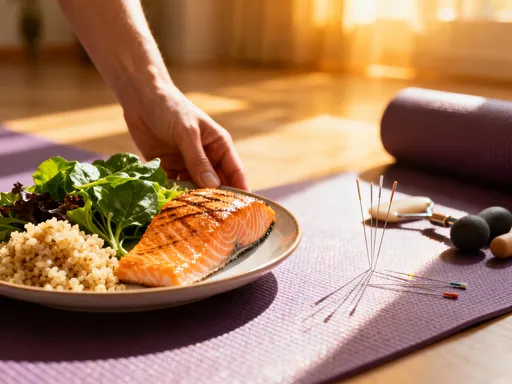
I also increased my intake of whole, nutrient-dense foods. Leafy greens like spinach and kale became staples, providing magnesium and antioxidants that support muscle function and reduce oxidative stress. Fatty fish such as salmon and mackerel offered a rich source of omega-3 fatty acids, which have been shown to lower inflammation and support joint health. Nuts and seeds—especially walnuts, chia, and flax—added fiber, plant-based protein, and additional anti-inflammatory fats.
Hydration played a bigger role than I expected. Muscles are about 75% water, and even mild dehydration can lead to cramping, stiffness, and fatigue. I made it a habit to start each day with a glass of water and carried a reusable bottle throughout the day. Herbal teas like ginger and turmeric, known for their natural anti-inflammatory properties, became part of my routine. Eating regular, balanced meals—rather than skipping food and overeating later—helped maintain steady energy and prevented the blood sugar swings that had previously worsened my symptoms.
Putting It All Together: A Real-Life Routine That Works
Integrating acupuncture, massage, and nutrition into daily life doesn’t require perfection—just consistency and intention. My current routine is designed to fit within a busy schedule, not disrupt it. I schedule acupuncture once a week, usually on a weekday morning before work. The sessions last about 45 minutes, and I often use the quiet time to rest and reset. I’ve found that going consistently, even when I feel fine, helps prevent flare-ups and keeps my nervous system balanced.
Massage is slightly less frequent—every two weeks—focusing on areas that tend to hold tension, like my lower back, hips, and shoulders. I communicate openly with my therapist about how I’m feeling, adjusting pressure and technique as needed. After each session, I drink extra water and avoid intense workouts for a day, giving my body time to integrate the benefits. I’ve learned that recovery isn’t just about doing more—it’s also about allowing space for rest and repair.
Meal prep has become a weekly ritual. Every Sunday, I batch-cook grains, steam a variety of vegetables, and grill or bake portions of fish or chicken. I store them in glass containers for easy assembly during the week. This doesn’t mean every meal is perfectly planned—sometimes I rely on a simple salad with canned beans or a piece of fruit with nut butter—but having healthy options readily available reduces the temptation to reach for processed convenience foods. I also listen to my body: if I’m feeling unusually tired, I might add an extra serving of protein or include a magnesium-rich food like avocado or pumpkin seeds.
Gentle movement is part of the routine too. On days when I don’t have bodywork appointments, I walk for 20 to 30 minutes, practice light stretching, or do a short yoga session. These activities aren’t about burning calories—they’re about maintaining circulation, flexibility, and mental clarity. The goal isn’t to push harder, but to stay connected to how my body feels and respond with care.
What to Remember: Safety, Balance, and Professional Guidance
While my experience has been positive, it’s important to emphasize that this approach isn’t a substitute for medical care. Anyone considering acupuncture or deep-tissue massage should first consult with a licensed practitioner, especially if they have underlying health conditions like osteoporosis, blood clotting disorders, or chronic pain syndromes. These therapies are generally safe when performed by trained professionals, but they are not risk-free. Open communication with healthcare providers ensures that complementary treatments support, rather than interfere with, existing care plans.
Diet changes should also be approached with balance and caution. While reducing processed foods and increasing whole, nutrient-rich options benefits most people, extreme restrictions or elimination diets can lead to nutrient deficiencies or unnecessary stress. The goal is nourishment, not perfection. For those with diagnosed conditions like diabetes, autoimmune disorders, or digestive issues, working with a registered dietitian or nutritionist can help tailor dietary choices to individual needs.
Healing is not a linear process. There are days when progress feels slow, or old habits creep back in. That’s normal. What matters is the overall direction—not perfection, but persistence. The combination of acupuncture, massage, and mindful eating isn’t magic; it’s about giving the body the conditions it needs to heal. It’s about respecting its limits, fueling it wisely, and responding with kindness when it sends signals of discomfort.
For women in their 30s, 40s, and beyond—who often put everyone else’s needs first—this approach offers a way to reclaim energy, reduce pain, and feel more present in daily life. It’s not about dramatic transformations, but about small, consistent choices that add up over time. By aligning bodywork with nutrition and self-awareness, recovery becomes not just a goal, but a sustainable way of living.