How Yoga Meditation Quietly Transformed My Recovery Journey
After months of feeling stuck in my rehabilitation, I discovered something unexpected: yoga meditation didn’t just calm my mind—it helped my body heal too. It wasn’t a miracle, but a gradual shift. With each breath, I gained more clarity, resilience, and physical ease. This is how ancient wisdom met modern recovery, and why I believe it could help others on their healing path—naturally, gently, and effectively. While medical treatments addressed the physical injury, it was the quiet, consistent practice of mindful breathing and gentle movement that bridged the gap between healing and true recovery. This journey wasn’t about dramatic transformations, but about small, sustainable changes that built over time, restoring not only strength but also a sense of inner balance that had been missing.
The Hidden Block in My Recovery
For weeks, I followed my rehabilitation plan diligently—attending physical therapy, doing prescribed exercises, and resting as advised. Yet progress stalled. Fatigue lingered, concentration wavered, and a persistent sense of frustration clouded my days. It wasn’t just the physical discomfort; it was the mental weight that surprised me most. I expected healing to be linear: injury, treatment, improvement. But reality was messier. The body does not heal in isolation. Beneath the surface, the nervous system was still reacting to the trauma, keeping the body in a prolonged state of alertness. This constant low-grade stress, though subtle, was quietly interfering with recovery. Pain signals remained heightened, muscles stayed tense, and sleep remained fragmented. It was as if my body was still bracing for danger, even though the immediate threat had passed.
The turning point came during a routine check-in with my physical therapist. She noticed my stiffness wasn’t just physical. “Have you considered how your mind might be affecting your healing?” she asked gently. That question shifted my perspective. I began to see that recovery wasn’t only about rebuilding strength or regaining mobility—it was also about calming the internal environment. The nervous system, when overactive, can delay tissue repair, impair circulation, and amplify pain. Without addressing this internal tension, even the most precise physical interventions could only go so far. The body and mind are not separate systems; they are deeply interconnected. Healing requires both. This realization opened the door to a different kind of support—one that didn’t replace medical care but worked alongside it to create the conditions for deeper restoration.
Why Traditional Chinese Medicine Points to the Mind-Body Link
Centuries before modern science confirmed the mind-body connection, Traditional Chinese Medicine (TCM) was already building its entire system around it. At the heart of TCM is the concept of qi, the vital energy that flows through the body along pathways known as meridians. When qi moves freely, health is maintained. When it becomes blocked or imbalanced, illness or pain can arise. What’s especially relevant to recovery is how TCM views emotional states as direct influences on this energy flow. Chronic stress, anxiety, or unresolved frustration are seen not just as mental experiences but as forces that can create stagnation—like emotional knots that tighten the physical body.
For example, prolonged stress is believed to disrupt the smooth flow of liver qi, which in TCM governs the smooth movement of energy and emotions. When this system is impaired, it can manifest as physical tension, headaches, or digestive discomfort—symptoms many recovering individuals recognize. Similarly, grief or sadness may affect the lungs, while overthinking may burden the spleen. These are not metaphors but frameworks that emphasize internal harmony. Healing, in this view, is not just about fixing a damaged part but restoring balance across the whole system. Practices that calm the mind—such as meditation, breathwork, or gentle movement—are seen as essential because they help release blockages and support the natural flow of energy.
This holistic perspective aligns with growing evidence in neuroscience and physiology. Chronic stress triggers the release of cortisol and inflammatory markers, which can slow tissue repair and increase pain sensitivity. By calming the nervous system, we create a more favorable internal environment for healing. TCM doesn’t reject medical treatment; it complements it. It reminds us that recovery is not a mechanical process but a dynamic interplay between physical, emotional, and energetic states. Integrating mind-body practices is not about abandoning science—it’s about honoring a broader understanding of what it means to heal.
What Yoga Meditation Really Is (And What It Isn’t)
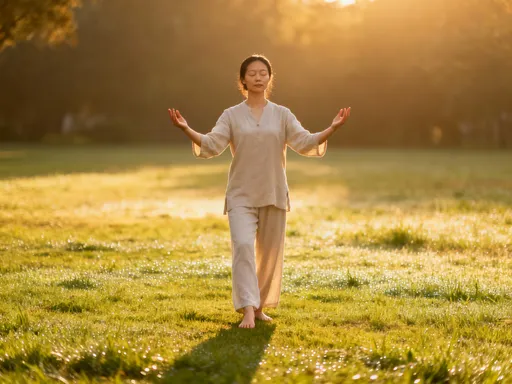
When I first considered yoga meditation, I pictured complex poses, silent retreats, and people sitting effortlessly in lotus position for hours. I assumed it was only for the flexible, the spiritually inclined, or those with ample free time. What I discovered was something entirely different—and far more accessible. Yoga meditation, at its core, is not about physical perfection or religious belief. It is the practice of bringing mindful awareness to the body and breath, using gentle movement and focused attention to calm the nervous system. It is not a performance; it is an act of listening.
There are many forms, but for recovery, the most helpful are gentle, restorative styles. These include simple seated postures, slow stretching, diaphragmatic breathing, and body scan meditations—all designed to activate the parasympathetic nervous system, the body’s natural relaxation response. Unlike intense yoga classes that build strength or endurance, restorative practices prioritize comfort and stillness. A folded blanket under the knees, a cushion beneath the hips, or lying supported with a bolster under the spine can make all the difference. The goal is not to hold a pose for a long time but to settle into it with awareness, noticing sensations without judgment.
One of the most powerful tools is breath awareness. Simply observing the breath—its rhythm, depth, and quality—can shift the body from a state of tension to one of calm. Techniques like extended exhalations or counting breaths help regulate the autonomic nervous system, reducing heart rate and lowering blood pressure. These practices are not mystical; they are physiological. They work by signaling safety to the brain, which in turn reduces the production of stress hormones. Yoga meditation, in this sense, is less about spirituality and more about self-regulation—a practical skill that supports healing from within.
How It Actually Helps the Healing Process
The benefits of yoga meditation are not just felt—they are measurable. When we engage in slow, mindful breathing, the body responds immediately. Cortisol levels begin to drop, reducing inflammation and allowing the immune system to function more efficiently. Blood flow improves, delivering oxygen and nutrients to damaged tissues. The vagus nerve, a key component of the parasympathetic system, becomes more active, promoting relaxation and digestion—both essential for recovery. These changes may seem subtle, but over time, they create the internal conditions necessary for healing to accelerate.
Another important mechanism is neuroplasticity—the brain’s ability to reorganize itself by forming new neural connections. Chronic pain, especially after injury, can become embedded in the nervous system, creating patterns of heightened sensitivity. Regular meditation practice can help retrain these pathways. By focusing attention on the present moment and observing sensations without reacting, we begin to change our relationship with pain. It doesn’t disappear overnight, but its grip loosens. We learn to distinguish between sensation and suffering, between what the body feels and how the mind interprets it.
Realistic outcomes include improved sleep quality, reduced muscle tension, and greater mental clarity. Many people report falling asleep faster, waking less during the night, and feeling more rested upon waking. This is critical, as deep sleep is when tissue repair occurs most actively. Others notice a decrease in background anxiety, which in turn reduces physical tension in the shoulders, neck, and jaw. Over time, these small shifts accumulate. The body feels lighter, the mind feels clearer, and the sense of being “stuck” begins to dissolve. Yoga meditation doesn’t promise a cure, but it creates space for the body’s natural healing capacity to emerge.
Building a Personalized Recovery Practice
Starting a practice doesn’t require special equipment, a lot of time, or prior experience. The key is consistency, not duration. Begin with just five to ten minutes a day, choosing a time when distractions are minimal—perhaps in the morning after waking or in the evening before bed. Find a quiet space where you can sit or lie down comfortably. Use props if needed: a cushion under the hips to ease hip tension, a folded blanket under the knees when lying down, or a chair if sitting on the floor is uncomfortable. The goal is support, not strain.
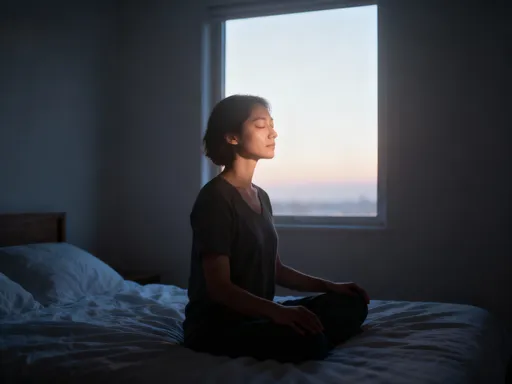
Start with breath awareness. Sit or lie in a relaxed position, close the eyes gently, and bring attention to the natural rhythm of the breath. Notice where you feel it most—perhaps in the belly, the chest, or the nostrils. If the mind wanders, gently return to the breath without criticism. After a few minutes, you might add a simple body scan: slowly bringing attention from the toes to the head, noticing any areas of tension or warmth. Another option is a gentle seated forward bend—sitting on a cushion, legs extended, and folding forward only as far as feels comfortable, allowing the spine to release. There is no need to touch the toes; the posture is about release, not achievement.
Linking the practice to an existing habit can help with consistency. For example, do a short breathing exercise after drinking morning tea or before turning off the lights at night. Over time, the habit becomes automatic. As strength and flexibility improve, the practice can evolve—but the foundation remains the same: mindful attention, gentle movement, and breath. The most effective routine is the one that feels sustainable, not the one that looks impressive. Progress is measured not by how long you sit, but by how connected and calm you feel afterward.
Common Challenges and How to Move Through Them
It’s normal to encounter obstacles, especially in the beginning. Restlessness, impatience, or the feeling of “not doing it right” are common. Many people expect immediate results or judge themselves for having a busy mind. But meditation is not about emptying the mind; it’s about noticing what’s there. The moment you become aware of distraction, you are already meditating. Each time you return your attention to the breath, you are strengthening your focus and self-awareness.
If sitting still feels difficult, try shorter sessions—just three minutes at first. Or use guided meditations, which provide verbal cues to keep the mind engaged. There are many free, reputable recordings available that focus on relaxation, pain management, or gentle movement. Another approach is to shift the focus from stillness to sensation. Instead of trying to quiet the mind, bring attention to the feeling of the breath moving in and out, or the contact between the body and the floor. This sensory focus can be grounding and less frustrating.
Self-compassion is essential. Healing is not linear, and neither is meditation. Some days will feel easier than others. On difficult days, simply showing up is enough. There is no such thing as a “failed” session. Even five minutes of intentional breathing creates positive change. View the practice as an act of care, not another item on a to-do list. When frustration arises, acknowledge it without judgment and return to the breath. Over time, this attitude of kindness extends beyond the mat, influencing how you relate to your recovery journey as a whole.
When to Combine With Professional Care
It’s important to emphasize that yoga meditation is a supportive practice, not a substitute for medical treatment. It works best when integrated into a comprehensive recovery plan under the guidance of healthcare professionals. Always consult with your doctor or physical therapist before beginning any new routine, especially if you are managing a chronic condition, recovering from surgery, or experiencing significant pain. They can help determine which movements are safe and appropriate for your specific needs.
Pay attention to your body’s signals. If a posture causes sharp pain, dizziness, or increased discomfort, stop and adjust. Some mild tension or fatigue is normal, but persistent or worsening symptoms should be discussed with a professional. It’s also important to recognize when to pause the practice—during acute flare-ups, infections, or periods of extreme fatigue. Mindfulness is not about pushing through pain; it’s about listening deeply.
Many rehabilitation programs now include mind-body components because the evidence is clear: psychological well-being influences physical outcomes. Yoga meditation can enhance the effectiveness of physical therapy by reducing muscle tension, improving focus, and increasing body awareness. It can also support mental health by reducing anxiety and improving sleep. When used responsibly, it becomes one valuable tool among many—complementing medications, therapy, and exercise to create a more holistic path to recovery.
Healing is not a race. It is a process that unfolds in its own time, shaped by both external treatments and internal practices. My journey taught me that true recovery includes more than physical repair—it involves reclaiming a sense of balance, peace, and connection to oneself. Yoga meditation didn’t fix everything overnight, but it created space for healing to happen more fully. By calming the nervous system, reducing stress, and fostering self-awareness, it helped me move from stagnation to gentle progress. The changes were quiet, almost imperceptible at first, but over time, they added up. Sleep improved. Pain softened. Clarity returned. Most importantly, I learned to be patient—with my body, with the process, and with myself. Healing is not about force or speed. It is about creating the right conditions and trusting the body’s innate wisdom. Small, daily practices can quietly reshape a recovery journey, not through dramatic effort, but through consistent, compassionate presence. In the end, it was not about becoming perfect—but about becoming whole.