Why I Never Skip Checking These Health Signs Daily
You don’t need a doctor’s degree to stay on top of your health—but you do need awareness. I used to ignore small signals my body sent, until a routine check revealed early warnings I’d missed. Now, I monitor key signs daily. It’s not about fear; it’s about control. This is how tracking simple, real-time cues changed my approach to wellness—proactively, not reactively. What began as a personal wake-up call has grown into a quiet, consistent practice that empowers me every day. And the truth is, you don’t need advanced tools or medical training. You just need attention, a little routine, and the willingness to listen when your body speaks.
The Wake-Up Call: When Ignoring Symptoms Became a Lesson
For years, I brushed off fatigue as part of being a busy woman. Between managing a household, caring for family, and keeping up with everyday responsibilities, I assumed low energy was simply the cost of doing life. I’d wake up tired, drag through the afternoon, and rely on coffee or sugar to keep going. Minor aches? I chalked them up to aging. Occasional digestive discomfort? Just something I ate. It wasn’t until a routine physical revealed borderline blood pressure and elevated markers of inflammation that I realized how much I had been ignoring.
My doctor didn’t scold me, but she did ask a simple question: "When was the last time you truly listened to how your body felt?" That moment stuck with me. I hadn’t been listening at all. I’d treated my body like a machine I could push without maintenance. The truth is, symptoms like persistent fatigue, irregular digestion, or mood swings aren’t just nuisances—they’re signals. And when ignored, they can point to deeper imbalances like hormonal shifts, chronic stress, or nutritional deficiencies that develop quietly over time.
That appointment became my turning point. I didn’t wait for a diagnosis to start paying attention. Instead, I committed to tuning in daily. I began to see that wellness isn’t just about avoiding illness—it’s about cultivating a relationship with your body. And like any meaningful relationship, it requires presence, patience, and regular check-ins. What started as a reaction to a health scare has become a daily practice of prevention, awareness, and care.
What Health Monitoring Really Means (And What It Doesn’t)
When people hear "health monitoring," some imagine constant blood tests, medical devices, or obsessive journaling. Others worry it leads to anxiety or self-diagnosis. But real health monitoring isn’t about fear or replacing doctors—it’s about informed awareness. It means noticing patterns in how you feel and using that information to make better choices. Think of it as staying in tune with your body, like adjusting the thermostat to maintain comfort, not waiting until the house is freezing or overheating.
Monitoring doesn’t mean diagnosing. You don’t need to interpret every ache as a disease. Instead, it’s about consistency and observation. For example, tracking your energy levels isn’t about obsessing over every dip—it’s about noticing if you consistently feel drained by 3 p.m., which might suggest poor sleep, dehydration, or blood sugar fluctuations. Similarly, paying attention to your digestion isn’t hypervigilance; it’s recognizing that bloating after certain meals could point to food sensitivities worth discussing with a healthcare provider.
What makes this practice powerful is that it bridges the gap between doctor visits. Most of us see a physician once a year, if that. But your body sends signals every day. By tuning in regularly, you gather valuable data that can help your doctor make more informed decisions. This isn’t about playing doctor—it’s about being an active participant in your health. And research supports this: studies show that individuals who track their health signs are more likely to detect early warning signs and seek care sooner, improving long-term outcomes.
True health monitoring is grounded in science, not superstition. It avoids extremes—neither ignoring symptoms nor spiraling into worry. It’s a balanced, sustainable way to honor your body’s needs without letting fear drive your choices. The goal isn’t perfection; it’s awareness. And that awareness becomes a foundation for lasting wellness.
The 4 Key Signs Worth Watching Every Day
Not every bodily signal requires attention, but some are consistently revealing. After years of observation and consultation with health professionals, four daily indicators stand out: energy levels, sleep quality, digestion, and mood. These aren’t random choices—they’re interconnected systems that reflect your overall well-being. When one shifts, others often follow. Tracking them gives you a real-time snapshot of your internal state.
First, energy levels. How you feel from morning to night says a lot about your physical and mental health. Do you wake up refreshed or groggy? Is your energy steady, or do you crash in the afternoon? Consistent fatigue can signal poor sleep, dehydration, low iron, or chronic stress. On the other hand, sustained energy often reflects good nutrition, hydration, and emotional balance. The key is to notice patterns, not isolated moments. A bad day happens; a recurring trend is worth exploring.
Sleep quality is the second sign. It’s not just about how many hours you sleep, but how restorative that sleep feels. Do you wake up frequently? Feel unrested despite eight hours? Poor sleep is linked to a wide range of health issues, including weakened immunity, weight gain, and mood disorders. Tracking sleep helps identify habits that disrupt rest—like screen time before bed, caffeine intake, or stress. Over time, this awareness allows you to adjust your routine for better recovery.
Digestion is the third, and often overlooked, indicator. Your gut is sometimes called your "second brain" because of its strong connection to immunity, mood, and inflammation. Regular bowel movements, absence of bloating, and comfort after meals are signs of a healthy digestive system. Frequent discomfort, gas, or irregularity may point to dietary triggers, stress, or imbalances in gut bacteria. By paying attention, you can make simple changes—like increasing fiber or reducing processed foods—that make a big difference.
Finally, mood fluctuations. While emotions are natural, consistent irritability, low motivation, or sadness can reflect physical causes. Hormonal changes, poor sleep, nutrient deficiencies (like vitamin D or B12), and chronic inflammation all impact mood. Tracking your emotional state alongside other signs helps you see connections—like how poor sleep often leads to low mood the next day. This doesn’t replace mental health care, but it adds valuable context when seeking support.
Together, these four signs form a reliable dashboard for your health. You don’t need to track them perfectly—just consistently. Even a quick mental note each evening can reveal patterns over time. The goal isn’t to fix everything at once, but to stay informed and responsive.
Simple Tools That Make Tracking Actually Doable
One of the biggest barriers to health monitoring is the belief that it requires complex tools or hours of effort. But sustainability comes from simplicity. The most effective tracking methods are those that fit naturally into your routine, not those that feel like another chore. You don’t need a medical-grade device or a perfect journal—just a few practical tools that support consistency.
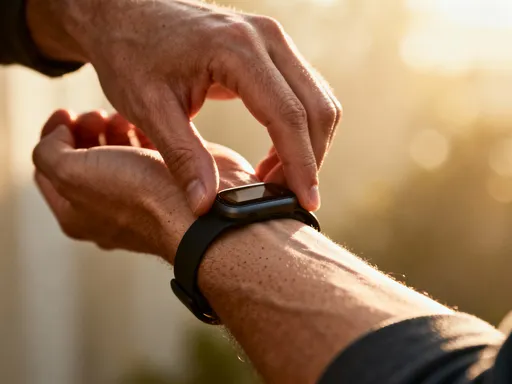
Smartwatches and fitness trackers are among the most accessible options. Many can monitor sleep stages, heart rate variability, and daily activity without requiring any input from you. While they’re not diagnostic, they provide useful trends—like whether your sleep is improving or your resting heart rate is rising, which can indicate stress or illness. The key is to use them as guides, not gospel. Review the data weekly, not hourly, to avoid obsession.
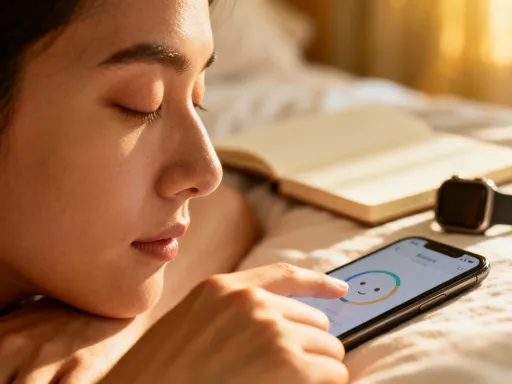
Journaling apps or a simple notebook work just as well, especially for tracking mood, digestion, or energy. You don’t need long entries—just a few words each day. For example, rating your energy from 1 to 5, noting sleep quality, or writing down how you felt after meals takes less than two minutes. Apps like Daylio or even a basic notes app on your phone make this easy and portable. The act of writing itself reinforces awareness and memory.
But you don’t even need technology. A daily body check-in—taking 60 seconds each morning or evening to ask, "How do I feel?"—can be powerful. Stand quietly, notice any tension, energy level, or discomfort, and acknowledge it without judgment. This mindfulness practice builds body awareness over time. Some women find it helpful to pair this with an existing habit, like after brushing their teeth or during their morning coffee.
The goal isn’t to track everything, but to choose one or two methods that feel manageable. Overloading leads to burnout. Start small: pick one sign to monitor for two weeks, then add another if it feels natural. The right tool is the one you’ll actually use, not the most advanced one. Consistency, not complexity, drives results.
Connecting the Dots: From Data to Decisions
Tracking is only useful if it leads to insight. Raw data—like "I slept 6 hours" or "I felt tired at 4 p.m."—becomes meaningful when you connect it to patterns. This is where the real power of monitoring lies: in recognizing how different signs influence each other. For example, poor sleep often leads to low energy, which affects mood, which may lead to unhealthy eating—a cycle that can repeat without awareness.
Let’s say you notice you’re bloated every Monday. You track your meals and realize you eat a large, rich dinner on Sunday nights. The connection becomes clear: your digestive system is reacting to that meal. A simple change—lightening the dinner or eating earlier—might resolve the issue. Or perhaps you see that on days when you skip breakfast, your energy crashes by mid-morning. This suggests your blood sugar needs more stable fuel. These insights allow small, targeted adjustments that improve how you feel.
Sometimes, patterns point to deeper issues. For instance, consistent low mood and fatigue, especially in winter, might suggest vitamin D deficiency or seasonal affective disorder. Tracking gives you concrete examples to discuss with your doctor, making consultations more productive. Instead of saying, "I don’t feel right," you can say, "For the past three weeks, I’ve had low energy and poor sleep, especially on days when I’m indoors all day." That specificity helps professionals help you.
It’s also important to know when tracking ends and professional care begins. If you notice persistent symptoms—like unexplained weight loss, chest discomfort, or severe mood changes—tracking should lead to action, not just observation. The goal is to use data to inform decisions, not delay them. Wellness isn’t about self-reliance at all costs; it’s about knowing when to seek support. Your daily check-ins aren’t a replacement for medical advice—they’re a bridge to better care.
Making It Stick: Building a Habit Without the Hustle
Like any new habit, health monitoring can start with enthusiasm but fade when life gets busy. The key to long-term success isn’t willpower—it’s design. You’re more likely to stick with something that feels easy, integrated, and rewarding. The women who maintain daily tracking aren’t necessarily more disciplined; they’ve simply made it part of their rhythm.
One of the most effective strategies is habit stacking—pairing your check-in with an existing routine. For example, while your coffee brews in the morning, take a moment to notice how you feel. Or as you brush your teeth at night, mentally review your day: energy, sleep, digestion, mood. These micro-moments require no extra time and build consistency through repetition.
Gentle reminders also help. A sticky note on the bathroom mirror, a quiet alarm on your phone, or a weekly calendar alert can nudge you without pressure. Avoid all-or-nothing thinking. Missing a day isn’t failure—it’s human. The goal is progress, not perfection. In fact, being kind to yourself when you slip up increases the chances you’ll return to the habit.
Motivation naturally dips, especially when you don’t see immediate results. That’s why it helps to celebrate small wins. Did you notice a pattern early and adjust your dinner? That’s a win. Did you remember to track for five days in a row? Another win. These moments reinforce the value of the practice. Over time, the reward becomes the feeling of being more in tune with yourself—the quiet confidence that comes from knowing your body.
Eventually, monitoring becomes less of a task and more of a mindset. It’s not something you do; it’s how you live. And that shift—from effort to ease—is what makes it sustainable for years, not weeks.
Beyond the Individual: Why Awareness Strengthens Overall Wellness Culture
Personal health monitoring does more than benefit the individual—it contributes to a broader culture of wellness. When more people pay attention to their bodies, the collective understanding of health deepens. We move away from reactive medicine—waiting for illness to appear—and toward prevention, where small, daily choices shape long-term outcomes.
This shift has real-world impact. When individuals detect issues early, they reduce strain on healthcare systems. Preventable conditions like type 2 diabetes, hypertension, and chronic stress-related disorders often develop over years with warning signs. Widespread awareness means earlier interventions, fewer emergencies, and lower costs for everyone. It also empowers people to make informed choices, rather than relying solely on prescriptions or quick fixes.
Moreover, when women—often the health managers of their families—model this awareness, they influence those around them. Children learn to listen to their bodies. Partners may start paying attention to their own signs. Conversations shift from "I’m fine" to "Actually, I haven’t been sleeping well—what about you?" This openness normalizes proactive care and reduces stigma around discussing health concerns.
Wellness isn’t a trend or a luxury. It’s a quiet, powerful act of self-respect. By checking in daily, you affirm that your well-being matters. You don’t have to be perfect. You don’t have to do it all. But by noticing, recording, and responding to your body’s signals, you take back a measure of control in a world that often feels unpredictable. And that, more than any test or treatment, is the foundation of true health.