Why I Turned Back the Clock on My Skin and Energy — Real Talk from My Body Care Journey
You know that moment when you catch your reflection and think, Wait, was I really this tired before? I did. A few years ago, I felt older than my age — dull skin, low energy, stiff joints. But instead of accepting it, I dug into real, science-backed body care habits. Not magic tricks, not extreme diets — just consistent, doable changes. This isn’t about looking younger for the ‘gram. It’s about feeling strong, alive, and vibrant from the inside out. Let me walk you through what actually worked.
The Wake-Up Call: When Aging Started to Feel Personal
It wasn’t one dramatic event. It was the slow accumulation of small things — the way my skin no longer bounced back after a long day, how I needed more time to recover from a weekend of errands, or how climbing stairs left me winded when it never used to. I remember staring at my hands one morning and noticing the faint web of veins more clearly than before. That was the moment it hit me: I wasn’t just getting older. I was aging in ways I hadn’t paid attention to — and I didn’t have to just accept it.
Aging is often reduced to visible signs like wrinkles or gray hair, but the truth is far more complex. It’s happening beneath the surface — in our cells, hormones, and metabolism. Our mitochondria, the tiny energy producers in our cells, become less efficient. Hormone levels shift. Inflammation quietly builds. These internal shifts affect how we feel, how we move, and how we look. For years, I thought aging was something that happened to other people — until it became personal. And that’s when I realized I had a choice: continue on autopilot, or take charge of how I aged.
Many women in their 30s, 40s, and beyond assume that fatigue, stiffness, or dull skin are just part of the package. But that’s a misconception. While genetics play a role, research shows that lifestyle factors account for up to 75% of how we age. That means the choices we make every day — what we eat, how we move, how we sleep — have a powerful impact. The shift for me began not with a drastic overhaul, but with awareness. I stopped dismissing my body’s signals and started listening. That mindset change — from passive acceptance to active care — was the real first step.
It wasn’t about vanity. It was about vitality. I didn’t want to look 25 again — I wanted to feel like myself again. And that meant addressing the root causes, not just the surface symptoms. I began researching not just skincare routines, but the science of cellular aging, hormone balance, and metabolic health. What I discovered wasn’t a miracle cure, but a series of practical, sustainable habits that could support my body as it changed. And the results? They weren’t instant, but they were real.
What Anti-Aging *Really* Means: Beyond the Hype
The term “anti-aging” is often associated with expensive creams, celebrity treatments, or promises of eternal youth. But in reality, true anti-aging isn’t about stopping time — it’s about slowing biological aging. It’s about supporting your body’s natural ability to repair, renew, and function efficiently. Think of it like car maintenance: you can’t prevent wear and tear forever, but regular oil changes, tire rotations, and tune-ups keep it running smoothly for years. Your body works the same way.
Biological aging is measured by several key markers. One of the most important is inflammation. Chronic, low-grade inflammation — often called “inflammaging” — contributes to joint pain, fatigue, and skin aging. Another is oxidative stress, which occurs when free radicals damage cells faster than the body can repair them. This affects everything from skin elasticity to brain function. Collagen loss, starting as early as your late 20s, leads to thinner skin and weaker connective tissues. And mitochondrial decline means less cellular energy — which translates to lower stamina and slower recovery.
While genetics do influence how we age, they’re not the whole story. Studies, including those from the Human Genome Project, suggest that only about 20–30% of aging is determined by DNA. The rest? Largely shaped by lifestyle. This is empowering news. It means that even if your parents aged “early,” you’re not destined to follow the same path. You have agency. You can influence how your genes express themselves through diet, movement, sleep, and stress management — a concept known as epigenetics.
Body care, then, isn’t just about appearance. It’s about function. It’s about preserving muscle mass, maintaining joint mobility, supporting heart health, and keeping your immune system strong. When you approach anti-aging this way, it becomes less about fear and more about respect — respect for the incredible machine that is your body. And the foundation of that respect is consistent, science-backed habits. No shortcuts. No gimmicks. Just daily choices that add up over time.
Move It or Lose It: How Movement Slows Aging
If there were a single pill that could slow aging, improve mood, boost energy, and protect your heart, brain, and muscles, everyone would take it. That pill exists — it’s called exercise. Research consistently shows that physical activity is one of the most powerful anti-aging tools we have. It reduces inflammation, improves insulin sensitivity, boosts mitochondrial function, and supports brain health. It’s not about looking a certain way — it’s about staying capable, independent, and resilient as you age.
But not all movement is created equal. For long-term anti-aging benefits, a balanced approach works best. Strength training is essential for preserving muscle mass, which naturally declines after age 30. Losing muscle isn’t just about looking weaker — it affects metabolism, balance, and even bone density. Just two strength sessions per week, using bodyweight, resistance bands, or light weights, can make a significant difference. Simple exercises like squats, lunges, and push-ups build functional strength that supports daily life.
Cardiovascular exercise is equally important. Activities like brisk walking, cycling, or swimming improve heart health, increase circulation, and enhance lung capacity. They also help regulate blood sugar and reduce the risk of chronic diseases. The key is consistency, not intensity. You don’t need to run marathons — 30 minutes of moderate activity most days is enough to see benefits. The goal is to get your heart rate up and keep it there, while still being able to talk in full sentences.
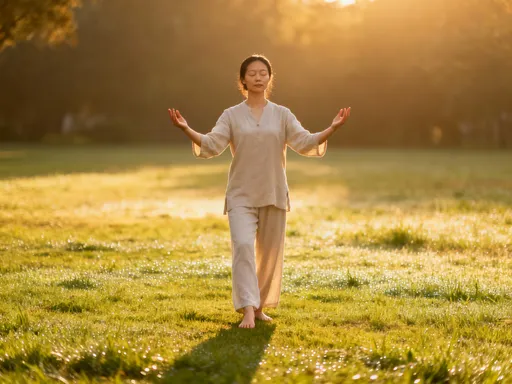
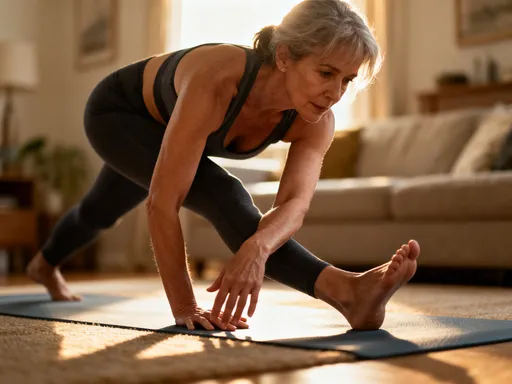
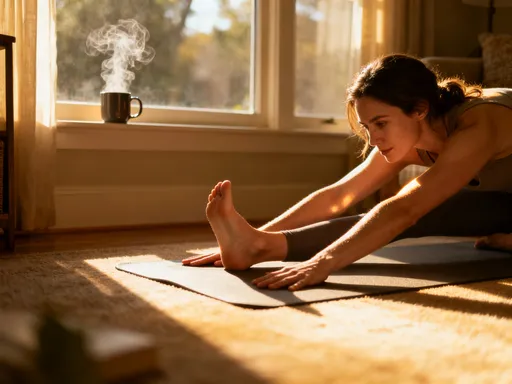
Mobility work is often overlooked but just as crucial. As we age, joints can stiffen, and range of motion decreases. Daily stretching, yoga, or tai chi improves flexibility, reduces stiffness, and prevents injury. These practices also support balance, which becomes increasingly important for fall prevention. The best part? You can do them at home, with no equipment. A 10-minute routine in the morning or before bed can make a noticeable difference in how your body feels.
The real secret isn’t how hard you work — it’s how consistently you show up. Missing a day isn’t failure. Skipping weeks is. The women who maintain energy and strength as they age aren’t doing extreme workouts — they’re doing something every day, even if it’s just a short walk. Movement isn’t a punishment for eating or a way to “earn” food. It’s a gift to your future self. And the earlier you start — and the more consistently you stick with it — the more you protect your body’s resilience over time.
Fueling Youth: The Foods That Fight Aging
You’ve heard it before: you are what you eat. But when it comes to aging, that saying holds deeper truth. The foods you consume either support cellular repair and reduce inflammation — or they accelerate damage and deplete energy. Anti-aging nutrition isn’t about restrictive diets or trendy cleanses. It’s about choosing real, whole foods that nourish your body from the inside out.
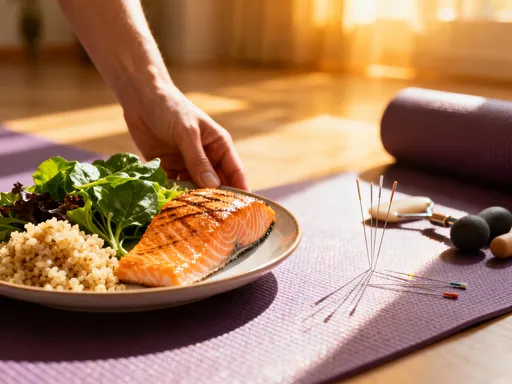
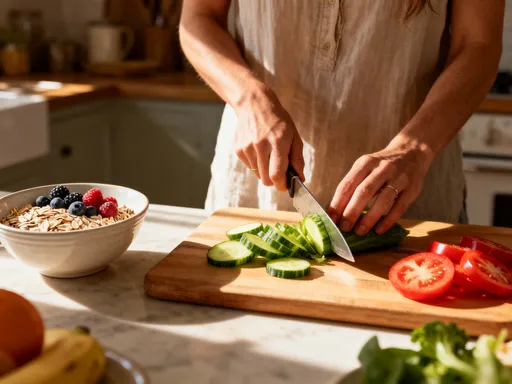
Some of the most powerful anti-aging foods are simple and accessible. Leafy greens like spinach, kale, and Swiss chard are rich in antioxidants, vitamins, and minerals that combat oxidative stress. Berries — especially blueberries, strawberries, and blackberries — contain anthocyanins, compounds shown to support brain health and protect skin from sun damage. Nuts, particularly walnuts and almonds, provide healthy fats and vitamin E, which support skin integrity and reduce inflammation. Fatty fish like salmon and mackerel are high in omega-3 fatty acids, which lower inflammation and support heart and brain function. And extra virgin olive oil — a staple of the Mediterranean diet — contains polyphenols that protect cells and improve circulation.
Protein is another critical piece. As we age, our bodies become less efficient at using protein, which can lead to muscle loss. Including a source of high-quality protein at every meal — such as eggs, Greek yogurt, legumes, or lean meats — helps maintain muscle mass, supports skin elasticity, and keeps you feeling full longer. Collagen, a structural protein in skin and joints, naturally declines with age. While collagen supplements are popular, research suggests that getting protein from whole foods may be just as effective — and more sustainable. Your body can build collagen when it has the right amino acids, vitamin C, and other nutrients from a balanced diet.
Hydration is often underestimated. Even mild dehydration can make skin look dull, cause fatigue, and impair concentration. Water supports every bodily function — from digestion to circulation to temperature regulation. Aim for at least eight glasses a day, more if you’re active or live in a hot climate. Herbal teas and water-rich foods like cucumbers, oranges, and celery also contribute to hydration.
To reduce aging accelerators, it’s just as important to know what to limit. Highly processed foods, refined sugars, and trans fats promote inflammation and oxidative stress. They spike blood sugar, which can damage collagen and lead to glycation — a process that makes skin stiff and less elastic. Alcohol, in excess, dehydrates the skin and disrupts sleep and liver function. A balanced approach means enjoying treats in moderation while focusing on nutrient-dense foods most of the time. It’s not about perfection — it’s about progress.
Sleep: Your Nightly Reset Button
Sleep is when your body does its most important repair work. While you’re resting, your cells regenerate, your brain clears out toxins, and your hormones rebalance. Skimping on sleep doesn’t just leave you groggy — it speeds up aging. Chronic poor sleep is linked to higher levels of cortisol, the stress hormone, which breaks down collagen, increases inflammation, and disrupts metabolism. It also affects insulin sensitivity, raising the risk of weight gain and type 2 diabetes.
For optimal cellular repair, most adults need 7 to 9 hours of quality sleep per night. But it’s not just about quantity — it’s about rhythm. Going to bed and waking up at consistent times, even on weekends, helps regulate your circadian rhythm, which influences everything from energy levels to hormone production. Disrupting this rhythm — with late nights, screen time, or irregular schedules — can accelerate aging over time.
Improving sleep hygiene doesn’t require drastic changes. Start with your evening routine. Wind down with calming activities like reading, gentle stretching, or journaling. Avoid screens at least an hour before bed — the blue light from phones and tablets suppresses melatonin, the hormone that signals sleep. Keep your bedroom cool, dark, and quiet. Consider using blackout curtains, a white noise machine, or an eye mask if needed. If you struggle with falling asleep, try deep breathing or a guided relaxation app.
What you do during the day also affects your sleep. Regular physical activity improves sleep quality, but avoid intense workouts too close to bedtime. Limit caffeine after noon, and be mindful of alcohol, which may help you fall asleep but disrupts deep sleep cycles. If you nap, keep it short — 20 to 30 minutes — and avoid late afternoon naps.
Quality rest doesn’t just improve how you look — it transforms how you feel. After just a few nights of better sleep, many women report clearer skin, more energy, sharper focus, and improved mood. Sleep is not a luxury. It’s a non-negotiable pillar of anti-aging. When you prioritize rest, you’re giving your body the time it needs to heal, reset, and prepare for the next day.
Skincare from the Inside Out: More Than Just Creams
Healthy skin starts long before you apply moisturizer. While topical products play a role, true skin health is deeply connected to what’s happening inside your body. The gut-skin axis, for example, shows that digestive health directly affects skin conditions like dryness, acne, and inflammation. A balanced gut microbiome supports nutrient absorption and reduces systemic inflammation — both of which reflect in your skin’s texture and tone.
Blood sugar levels also play a surprising role. Spikes in glucose can lead to glycation, a process where sugar molecules attach to proteins like collagen and elastin, making them stiff and brittle. This contributes to wrinkles and loss of firmness. Eating a balanced diet with fiber, protein, and healthy fats helps stabilize blood sugar and protect your skin from within.
Topical care still matters. A simple, consistent routine is more effective than a cabinet full of expensive products. Cleansing removes dirt and pollutants that can clog pores and increase oxidative stress. Moisturizing supports the skin’s barrier function, helping it retain water and stay resilient. And daily sun protection — even on cloudy days — is the single most effective way to prevent premature aging. UV exposure is responsible for up to 90% of visible skin aging, including wrinkles, dark spots, and loss of elasticity.
As for collagen supplements, the evidence is mixed. Some studies show modest improvements in skin hydration and elasticity, but the effects are often subtle. A better approach is to support your body’s natural collagen production through diet — with vitamin C-rich foods like bell peppers and citrus, zinc from pumpkin seeds, and protein from eggs and legumes. Pair that with sun protection and hydration, and you’re giving your skin the tools it needs to stay strong.
The truth is, no cream can replace the glow that comes from good sleep, clean eating, and low stress. When you care for your body as a whole, your skin reflects that care. It’s not about covering up — it’s about building from within.
Stress, Toxins, and Time: Managing the Hidden Aging Accelerators
Chronic stress is one of the most underestimated aging accelerators. When you’re under constant pressure, your body produces excess cortisol. Over time, this hormone breaks down muscle, increases fat storage around the abdomen, weakens immunity, and damages skin. It also disrupts sleep and digestion, creating a cycle that’s hard to break. The good news? You don’t need to eliminate stress — you need to build resilience.
Small, daily practices make a big difference. Deep breathing, even for just two minutes, activates the parasympathetic nervous system, helping your body shift from “fight or flight” to “rest and digest.” Walking in nature, journaling thoughts, or practicing gratitude can lower cortisol and improve mood. These aren’t indulgences — they’re essential maintenance for your nervous system.
Environmental toxins are another silent contributor. Air pollution, certain skincare ingredients, and plastics containing endocrine disruptors can interfere with hormone balance and increase oxidative stress. While you can’t control everything, you can make mindful choices. Opt for clean air with indoor plants or air purifiers. Choose skincare and household products with simple, recognizable ingredients. Reduce plastic use by storing food in glass and using reusable water bottles.
Building resilience isn’t about doing more — it’s about doing what matters, consistently. One five-minute breathing exercise a day. One extra glass of water. One screen-free evening. These micro-habits accumulate into real change. Aging isn’t something to fear — it’s something to prepare for, with care and intention.
Aging Forward — Stronger, Not Just Slower
Looking back, the changes I made weren’t drastic. I didn’t overhaul my life overnight. I started with one walk a week, then two. I swapped soda for water. I began moisturizing every night. I set a bedtime and stuck to it. These small choices, repeated over time, added up to real transformation — more energy, clearer skin, less stiffness, and a deeper sense of well-being.
The core pillars of anti-aging are simple but powerful: movement, nutrition, sleep, skincare, and stress management. None of them work in isolation. They support and enhance each other. When you move your body, you sleep better. When you eat well, you have more energy to move. When you manage stress, your skin glows. It’s a cycle of care that builds on itself.
Anti-aging isn’t about fear of getting older. It’s about respect for what your body can do — and what it deserves. It’s about living well, not just living long. You don’t have to chase youth. You just have to show up for yourself, day after day, with small, consistent acts of care.
Start where you are. Pick one habit. Master it. Then add another. Progress, not perfection, is the goal. Your body has an incredible capacity to heal and renew — you just have to give it the support it needs. This isn’t about turning back the clock. It’s about moving forward — stronger, healthier, and more vibrant than before.