How I Learned to Track My Emotions Like Vital Signs — A Science-Backed Hack for Daily Calm
What if your emotions were as measurable as your heartbeat? For years, I struggled with stress and mood swings, thinking they were just “part of life.” But when I started treating my emotional state like a trackable health metric—using simple, science-based tools—I saw real shifts. This isn’t about fixing yourself overnight. It’s about using daily monitoring to build self-awareness, catch emotional dips early, and respond with care—just like checking blood pressure or sleep patterns. Here’s how data quietly changed my mental well-being.
The Hidden Link Between Body and Mind
For decades, science treated the body and mind as separate systems, but modern research reveals they are deeply intertwined. Emotions are not merely abstract feelings—they are physiological events rooted in biology. When someone feels anxious, their heart rate increases, muscles tense, and cortisol, the primary stress hormone, surges through the bloodstream. These changes are measurable, predictable, and often precede conscious awareness of distress. Heart rate variability (HRV), for example, reflects the balance between the sympathetic and parasympathetic nervous systems. Lower HRV is consistently linked to emotional dysregulation, anxiety, and depression. Similarly, disrupted sleep patterns can impair emotional resilience, making even minor frustrations feel overwhelming.
The connection becomes clear in everyday experiences. A mother who hasn’t slept well may snap at her child over a spilled drink, not because she’s a bad parent, but because fatigue reduces emotional threshold. A professional facing a high-pressure deadline might experience irritability or panic, not due to personal failure, but because sustained stress alters brain chemistry. These moments are not moral shortcomings—they are biological signals. Recognizing this shift—from judgment to understanding—allows individuals to respond with compassion rather than criticism. The body sends warnings long before emotional overwhelm takes hold, and learning to read them is the first step toward lasting well-being.
Moreover, tracking physical health indicators can indirectly illuminate emotional patterns. Someone who logs poor digestion or frequent headaches may not immediately connect these symptoms to emotional strain. Yet studies show that chronic stress contributes to gastrointestinal issues, weakened immunity, and inflammation. By observing physical data—such as resting heart rate, sleep efficiency, or energy levels—individuals gain a rearview mirror into their emotional world. This integration of body and mind reframes emotional health not as something intangible, but as a dynamic system that responds to lifestyle, environment, and self-care practices.
Why Emotional Health Deserves Daily Check-Ins
Just as people monitor blood pressure or cholesterol to prevent heart disease, emotional health benefits from regular assessment. The concept of “emotional hygiene” suggests that mental well-being requires consistent attention, much like dental hygiene prevents cavities. Yet, while many women in their 30s to 50s schedule annual physicals and track their children’s wellness, they often neglect their own emotional baseline. A persistent low mood may be dismissed as “being tired,” or irritability attributed to hormones, without deeper inquiry. But ignoring emotional signals carries consequences. Chronic emotional stress has been linked to increased risk of cardiovascular disease, impaired immune function, and accelerated cellular aging through telomere shortening.
Research from institutions like Harvard Medical School and the American Psychological Association confirms that unmanaged stress contributes to physical illness. Women in midlife, who often juggle caregiving, career, and household responsibilities, are particularly vulnerable. Without routine check-ins, small emotional imbalances accumulate, leading to burnout, anxiety disorders, or depression. Daily emotional monitoring does not require clinical diagnosis—it begins with simple awareness. Asking oneself, “How am I really feeling today?” with honesty and kindness can reveal patterns before they escalate.
Emotional check-ins also normalize the idea that mental health is part of overall health. Just as a fever signals infection, emotional discomfort signals a need for rest, boundary-setting, or support. When women treat emotional shifts with the same seriousness as physical symptoms, they practice preventive care. This shift in mindset—from reactive to proactive—empowers them to intervene early. For instance, noticing a trend of low energy and sadness on Mondays might prompt scheduling a calming morning ritual or adjusting weekend commitments. Emotional tracking transforms invisible struggles into visible data, making it easier to seek help, adjust habits, and honor personal limits without guilt.
From Guesswork to Data: The Shift in Self-Monitoring
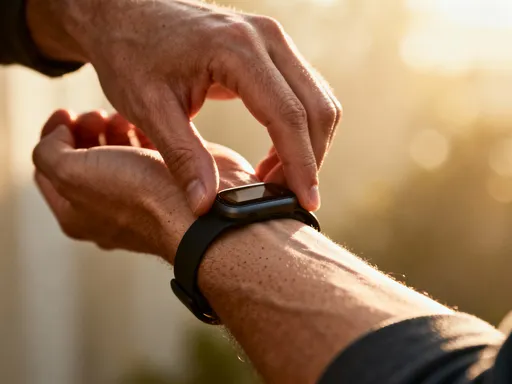
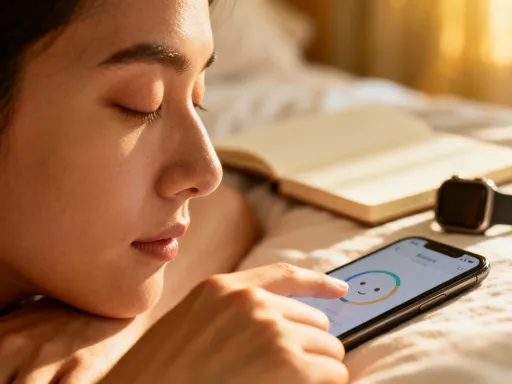
In the past, emotional awareness relied heavily on memory and subjective reflection, often colored by bias or fatigue. Journaling helped many, but consistency was challenging, and insights were retrospective. Today, technology offers a more objective approach. Wearable devices like smartwatches and fitness trackers now measure heart rate variability, sleep stages, and activity levels—data that correlate strongly with emotional states. Apps designed for mood tracking allow users to log emotions daily, rate intensity, and tag triggers such as work, family, or weather. When combined, these tools create a multidimensional picture of well-being.
One of the most powerful aspects of data-driven tracking is its ability to reduce self-blame. A woman who believes she’s “overreacting” to a family conflict may discover through her logs that her emotional sensitivity peaks after three consecutive nights of poor sleep. This realization shifts the narrative from personal failure to physiological cause. Similarly, someone who feels inexplicably anxious in the afternoons might find a pattern linked to caffeine intake or blood sugar drops. Data provides clarity, replacing vague discomfort with actionable insight.
It’s important to note that technology does not replace professional mental health care. These tools are not diagnostic, nor should they be used to self-treat serious conditions. However, they serve as valuable complements to therapy, offering therapists concrete information about mood fluctuations between sessions. For women managing busy lives, having a digital record can make conversations with healthcare providers more efficient and focused. The goal is not perfection in tracking, but consistency. Even five minutes a day—logging mood upon waking and before bed—can yield meaningful trends over time. The shift from guesswork to data is not about becoming robotic; it’s about gaining clarity to make wiser, kinder choices.
Building Your Personalized Emotion Dashboard
Creating an effective emotional tracking system doesn’t require expensive gadgets or complex apps. The key is simplicity and personal relevance. A practical three-step approach—track, reflect, adjust—can be tailored to individual needs. Start by selecting one or two metrics that feel manageable. For many women, beginning with morning mood rating (on a scale of 1 to 5) and nightly sleep quality score provides immediate insight. Over time, additional layers—such as energy levels, food intake, or social interactions—can be added to deepen understanding.
For those wary of screen time, low-tech options work just as well. A printed calendar with color-coded dots—green for good days, yellow for moderate, red for difficult—offers a visual timeline of emotional patterns. A simple notebook can capture brief daily notes: “Felt calm after walk with friend,” or “Anxious during meeting—deep breathing helped.” The format matters less than the consistency. What transforms tracking from a chore into a tool is the habit of reflection. Setting aside ten minutes each week to review entries helps identify trends: “I notice tension rises when I skip lunch,” or “Mood improves when I spend time outdoors.”
Adjustment follows naturally from awareness. Once a pattern is recognized, small changes can be tested. If data shows lower mood on days without movement, scheduling a 15-minute walk becomes a targeted intervention. If conflict spikes after late bedtimes, prioritizing sleep becomes an act of emotional self-care. The dashboard is not static—it evolves with life’s seasons. During stressful periods, tracking may intensify; during calmer times, it may simplify. The goal is not rigid monitoring, but responsive nurturing. By building a system that fits their lifestyle, women create a sustainable practice of emotional awareness that supports long-term resilience.
Spotting Patterns Before Crises Hit
One of the most powerful benefits of emotional tracking is early detection. Just as a rising temperature can signal illness before full symptoms appear, subtle emotional shifts often precede burnout or anxiety episodes. Consider the case of a 42-year-old project manager who began logging her mood and energy. She noticed a consistent dip every Sunday evening, accompanied by shallow breathing and muscle tension. At first, she dismissed it as “Sunday blues,” but over weeks, the pattern became undeniable. This awareness allowed her to investigate the cause: the looming pressure of the workweek. With this insight, she introduced a Sunday evening ritual—lighting a candle, playing soft music, and planning one enjoyable moment for Monday. Within a month, the anxiety softened significantly.
Another example involves a mother of two who tracked her afternoon irritability. Her logs revealed a strong correlation between skipped snacks and short temper with her children. She realized her body needed stable blood sugar to maintain emotional balance. By packing a small, protein-rich snack, she reduced frustration and improved family interactions. These cases illustrate how tracking transforms vague discomfort into precise, solvable problems. The emotional dashboard acts as an early warning system, giving individuals time to respond before reaching a breaking point.
Early detection also reduces the shame often associated with emotional struggles. When women see their reactions as part of a predictable pattern—not personal weakness—they respond with self-compassion. Instead of thinking, “I’m failing again,” they learn to say, “My body is signaling a need.” This mindset shift is crucial for long-term well-being. It allows for proactive adjustments—rest, hydration, boundary-setting—before emotional reserves are depleted. In a culture that often glorifies busyness, this practice is quietly revolutionary. It affirms that emotional health is not a luxury, but a foundation for a fulfilling life.
Science Meets Self-Care: What Actually Works
Once patterns are identified, the next step is intervention. Not all self-care strategies are equally effective, and personal data helps determine what works best. Evidence-based practices such as paced breathing, nature exposure, and structured downtime have been shown to improve emotional regulation. Coherent breathing, which involves inhaling and exhaling at a rate of five breaths per minute, has been found in clinical studies to increase heart rate variability and reduce anxiety within weeks. Women who practice this for five to ten minutes daily often report feeling calmer and more centered, even during stressful periods.
Nature exposure, even in small doses, also has measurable benefits. Research from the University of Exeter shows that spending just 120 minutes per week in green spaces is associated with higher well-being. For busy women, this might mean a 20-minute walk in a park, tending to houseplants, or eating lunch outside. The key is consistency, not duration. Similarly, structured downtime—intentional moments of rest without screens or tasks—supports nervous system recovery. This might include reading, stretching, or sitting quietly with tea. Unlike passive scrolling, which can increase mental fatigue, true downtime restores emotional capacity.
What makes these strategies powerful is their alignment with personal data. A woman whose logs show high stress on workdays might benefit most from morning breathing exercises, while someone with evening anxiety may find evening nature walks more effective. The goal is not to adopt every trend, but to match interventions to individual patterns. This personalized approach increases adherence and effectiveness. It also prevents the frustration of trying generic advice that doesn’t fit one’s life. By letting data guide self-care, women move from guessing to knowing—what their bodies and minds truly need.
Making It Stick: Turning Insight Into Routine
Knowledge alone does not create change—habits do. Behavioral psychology shows that lasting routines form through cues, rewards, and environment design. To make emotional tracking sustainable, it should be linked to existing habits. For example, logging mood with the first sip of morning coffee or pairing reflection with bedtime skincare creates natural anchors. Gentle reminders—such as a phone notification or a sticky note on the bathroom mirror—can support consistency without pressure. The key is to avoid perfectionism. Missing a day is not failure; it’s part of the process. Self-compassion strengthens resilience more than rigid discipline ever could.
Many women drop tracking because it feels like another obligation. To prevent this, the practice should remain flexible and low-pressure. Some weeks may involve detailed logs; others may include only a few notes. The environment also matters—keeping a journal on the nightstand or using a user-friendly app increases accessibility. Over time, tracking becomes less about data collection and more about self-connection. It evolves from a task into a ritual of care.
Ultimately, emotional monitoring is not about control or optimization. It’s about respect—honoring one’s inner experience with attention and kindness. For women navigating the complex demands of midlife, this practice offers a quiet source of strength. It doesn’t eliminate stress, but it builds the capacity to meet it with awareness. By turning insight into routine, women cultivate a deeper relationship with themselves—one that supports balance, clarity, and peace.
Emotional well-being isn’t something you fix once—it’s something you nurture daily. By borrowing the precision of health monitoring and applying it to our inner world, we gain more than data. We gain understanding. We gain time. And most importantly, we gain the power to respond before we’re overwhelmed. This quiet, science-backed practice isn’t flashy, but it’s transformative. Treating emotions as vital signs isn’t about becoming robotic—it’s about becoming more human.