How I Found Calm in Chaos: My Qigong Wellness Journey
For years, I felt constantly drained—mentally foggy, physically tense, and emotionally unbalanced. I tried quick fixes, intense workouts, and endless supplements, but nothing brought lasting peace. Then I discovered qigong, an ancient practice rooted in Traditional Chinese Medicine. Unlike fleeting trends, qigong taught me the power of slow, intentional movement and breath. It wasn’t about pushing harder, but about listening deeper. This gentle yet profound system helped me rebuild my energy, quiet my mind, and reconnect with my body. This is how I built a sustainable wellness routine that truly works—not through force, but through presence.
The Burnout That Changed Everything
Life had become a cycle of exhaustion and recovery that never quite caught up. Mornings began with a sense of dread, not purpose. Even after eight hours of sleep, I woke up feeling unrested. My muscles were tight, my shoulders permanently hunched, and my thoughts raced before my feet even hit the floor. At work, concentration slipped through my fingers like sand. At home, I was present in body but absent in spirit—going through the motions of parenting, cooking, cleaning, but never truly feeling connected. I was doing everything, yet I felt like I was losing myself.
I wasn’t alone in this. Studies show that chronic stress affects millions of adults, particularly women juggling professional, family, and personal responsibilities. The World Health Organization has labeled stress as the ‘health epidemic of the 21st century,’ and for good reason. Long-term activation of the stress response system can lead to a host of physical and emotional issues, including high blood pressure, weakened immunity, anxiety, and sleep disorders. I was experiencing many of these symptoms, but I didn’t recognize them as interconnected. I thought I just needed to try harder, rest more, or find the right pill.
I turned to solutions that promised fast results. I joined high-intensity interval training classes, believing that sweating it out would purge my stress. I cycled through supplements—magnesium, ashwagandha, B-complex vitamins—hoping one would finally unlock the energy I craved. While some offered temporary relief, none delivered lasting change. The workouts left me more fatigued; the supplements, though helpful in small ways, didn’t address the root cause. I began to realize that I was treating symptoms, not the system.
It was during a quiet conversation with an old friend that I first heard about qigong. She mentioned how, after years of battling fatigue, she had found stability through a daily 15-minute practice. I was skeptical. How could something so slow and subtle make a difference? But her calm demeanor and steady energy were undeniable. That planted a seed. I started reading about Traditional Chinese Medicine (TCM), which views health as a state of balance between body, mind, and energy. Unlike Western medicine, which often focuses on isolated symptoms, TCM emphasizes the flow of vital energy—known as qi—through pathways in the body. When this flow is disrupted, illness and imbalance follow. Qigong, I learned, was designed to cultivate and balance this energy through coordinated movement, breath, and intention.
What Exactly Is Qigong? (And Why It’s Not Just “Slow Exercise”)
Qigong (pronounced “chee-gong”) is a holistic practice with roots stretching back thousands of years in Chinese culture. The word itself combines two elements: *qi*, meaning vital life force or energy, and *gong*, meaning skill or practice. Together, qigong translates to ‘cultivating energy through practice.’ While it may resemble gentle exercise at first glance, it is far more than physical movement. It is a mindful discipline that integrates breath regulation, soft motion, and mental focus to enhance the body’s natural healing abilities and promote overall well-being.
At its core, qigong is based on the idea that the body contains an internal energy system. This concept is not unique to TCM—similar ideas appear in Indian yoga (prana), Japanese reiki (ki), and Greek philosophy (pneuma). In qigong, the goal is to remove blockages and encourage the smooth flow of qi through meridians, or energy channels. When energy flows freely, the body functions optimally. When it is stagnant or imbalanced, discomfort and disease can arise. Rather than relying on external interventions, qigong empowers individuals to become active participants in their own health.
One of the most common misconceptions about qigong is that it’s simply slow exercise or a form of meditation in motion. While it shares elements with both yoga and tai chi, it is distinct. Unlike yoga, which often emphasizes postural alignment and flexibility, qigong prioritizes internal awareness and energy movement. Compared to tai chi, which evolved as a martial art, qigong is more accessible and adaptable, with forms designed specifically for healing, vitality, and relaxation. There are thousands of qigong styles, ranging from dynamic movements to still meditation, but all share the same foundational principles: relaxed posture, deep abdominal breathing, and focused intention.
Scientific interest in qigong has grown in recent decades. Research published in journals such as *Evidence-Based Complementary and Alternative Medicine* has shown that regular qigong practice can reduce cortisol levels, improve heart rate variability, and enhance immune function. These findings support what practitioners have known for centuries: that the way we move, breathe, and focus our minds directly impacts our physiology. Qigong is not magic—it is a skill that trains the nervous system to shift from a state of constant alertness (sympathetic dominance) to one of rest and repair (parasympathetic activation).
Why Routine Regularity Makes All the Difference
If there’s one lesson qigong has taught me, it’s that consistency trumps intensity. In a culture obsessed with quick results and maximum effort, this idea can feel counterintuitive. We’re conditioned to believe that more is better—longer workouts, stricter diets, faster progress. But with qigong, the opposite is true. A daily five-minute practice is more effective than an hour-long session once a week. It’s not about how much you do, but how regularly you show up.
The benefits of qigong are cumulative. Each session builds on the last, like deposits in a wellness bank account. Over time, these small investments add up to significant returns: improved sleep, reduced anxiety, better digestion, and greater emotional resilience. This is supported by neuroscience. The brain thrives on rhythm and repetition. When we practice qigong regularly, we reinforce neural pathways associated with calm, focus, and self-regulation. We’re not just relaxing in the moment—we’re retraining our nervous system to default to a state of balance.
Consider the analogy of watering a plant. You wouldn’t pour an entire bucket of water on it once a month and expect it to thrive. Plants need consistent, moderate hydration. The human body is no different. Chronic stress creates a kind of internal drought—our energy reserves are depleted, our systems are overtaxed. Qigong acts like gentle, regular watering, restoring balance one mindful breath at a time. It’s not dramatic, but it’s transformative.
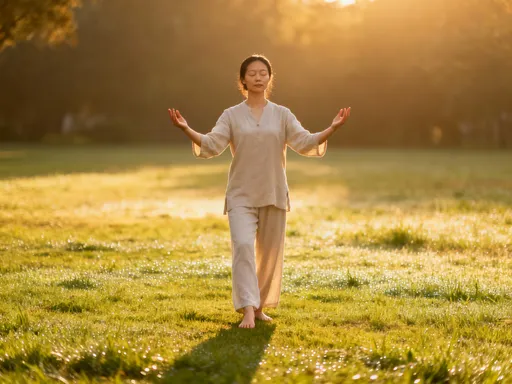
Studies on habit formation suggest that behaviors become automatic after an average of 66 days, though this varies by individual. The key is to start small and stay consistent. I began with just three minutes each morning, using a simple standing meditation called “Lifting the Sky.” I didn’t worry about doing it perfectly. I just showed up. Within a few weeks, the habit began to stick. The practice expanded naturally—not because I forced it, but because I started to feel the difference. My body began to crave the stillness, the connection, the rhythm.
My First 7 Days: What Actually Happened
The first week of my qigong journey was equal parts curiosity and discomfort. I remember standing in my living room, following an online video, feeling a little self-conscious. The movements were simple—raising the arms slowly, shifting weight from foot to foot, breathing deeply—but my mind resisted. I kept checking the clock, wondering when it would ‘work.’ I expected an instant shift, a wave of calm to wash over me. Instead, I felt awkward and impatient.
On day two, I noticed a subtle change. My shoulders relaxed slightly as I moved. I wasn’t forcing them down—they just released, as if remembering how to let go. My breath, usually shallow and high in my chest, began to sink into my abdomen. I didn’t realize how much tension I was holding until I started to release it. That night, I fell asleep faster than usual, without the usual mental replay of the day’s events.
By day four, I started to look forward to the practice. It became a quiet sanctuary in my morning routine. I still had moments of distraction—planning my to-do list, worrying about deadlines—but I learned to gently bring my attention back without judgment. This was a new skill: the ability to notice my thoughts without getting caught in them.
On day six, something shifted. As I stood with my arms raised, palms facing the sky, I felt a warmth spread through my hands. It wasn’t dramatic, but it was unmistakable. Later, I read that many practitioners report sensations of heat, tingling, or lightness in the hands and feet—signs of increased energy flow. Whether it’s physiological or psychological, the sensation grounded me. I wasn’t just moving my body; I was engaging with it in a new way.
By the end of the week, I noticed improvements in my focus and mood. I was less reactive during stressful moments at work. When a project deadline loomed, instead of spiraling into anxiety, I took a few deep breaths and returned to my tasks with clarity. I wasn’t ‘cured’—I still had fatigue and busy days—but I felt more equipped to handle them. The most surprising change was in my sleep. I woke up feeling more refreshed, even after fewer hours. This wasn’t a miracle; it was the beginning of a new relationship with my body.
Building a Practice That Fits Real Life
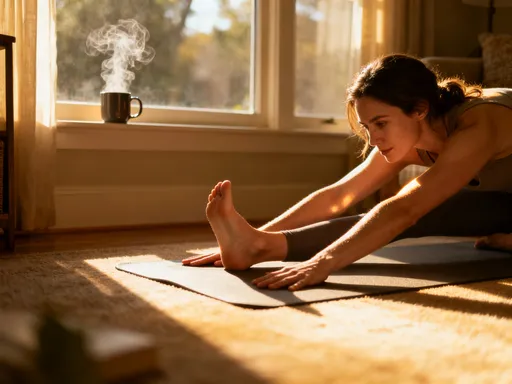
One of the greatest strengths of qigong is its adaptability. Unlike practices that require special equipment, a quiet room, or a lot of time, qigong can be done anywhere, anytime. You don’t need a mat, a studio, or even comfortable clothes. You can practice standing in your kitchen, sitting at your desk, or lying in bed. This flexibility made it possible for me to integrate it into my real, imperfect life.
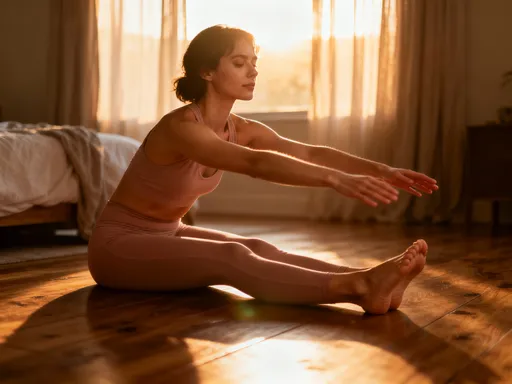
I started by anchoring my practice to an existing habit—brushing my teeth in the morning. After washing my face, I stepped into my living room for three to five minutes of gentle movement. I chose simple forms like “Separating Heaven and Earth” and “Wave Hands Like Clouds,” which require minimal space and can be done slowly or quickly depending on time. Over time, this became as natural as making my coffee.
I also began using qigong during work breaks. Instead of scrolling through my phone, I’d stand up, stretch, and do a few rounds of “Lifting the Sky” or “Shaking the Tree,” a form that helps release tension through gentle vibration. These micro-practices didn’t disrupt my workflow—they enhanced it. I returned to my desk feeling more centered and focused.
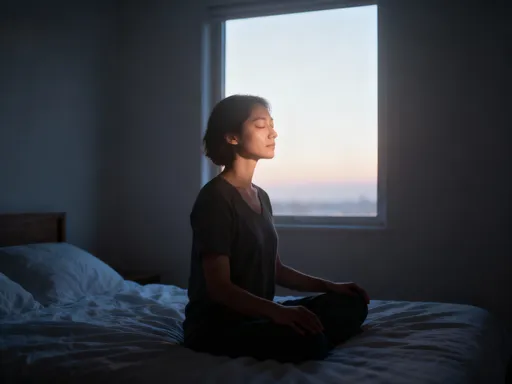
In the evenings, I shifted to more calming forms, such as “Embracing the Tree,” a standing meditation that cultivates stillness and grounding. I often practiced this before bed, which helped signal to my body that it was time to wind down. I didn’t aim for perfection—some days I only did a minute, and that was enough. The goal wasn’t duration; it was presence.
Environmental cues helped reinforce the habit. I left a small cushion in the corner of my bedroom and placed a sticky note on my mirror: ‘Breathe first.’ These small reminders made it easier to remember and prioritize my practice. Over time, qigong became less of a ‘routine’ and more of a natural rhythm in my day.
The Hidden Benefits I Didn’t Expect
While I started qigong for stress relief, I discovered benefits I hadn’t anticipated. One of the most profound was increased body awareness. I began to notice subtle signals—tightness in my jaw, a shallow breath, a slight ache in my lower back—before they turned into full-blown tension or pain. This early awareness allowed me to respond with gentle movement or rest, rather than pushing through discomfort.
Emotional regulation improved as well. I found myself less reactive in challenging situations. When a family member said something upsetting, I didn’t immediately respond with frustration. Instead, I paused, took a breath, and chose a calmer response. This wasn’t because I was suppressing my emotions—it was because I had created space between stimulus and reaction. Qigong taught me to observe my emotions without being overwhelmed by them.
Mental clarity was another unexpected gift. Tasks that once felt overwhelming became more manageable. I could focus for longer periods, make decisions with greater confidence, and approach problems with a sense of calm. This wasn’t due to increased willpower, but to a quieter mind. The constant mental chatter had softened, allowing room for insight and creativity.
These changes are supported by research on mindfulness and nervous system regulation. Practices like qigong activate the parasympathetic nervous system, which governs rest, digestion, and recovery. When this system is strengthened, we’re better equipped to handle stress without becoming dysregulated. Over time, this leads to greater emotional resilience and cognitive flexibility—skills that are invaluable in daily life.
How to Start Without Overthinking It
If you’re curious about qigong, the best way to begin is simply by starting. Don’t wait for the perfect time, the perfect space, or the perfect understanding. Choose a beginner-friendly form and commit to just five minutes a day. You can find reliable instructional videos from certified instructors on platforms like YouTube or through online wellness programs. Look for teachers with backgrounds in Traditional Chinese Medicine, martial arts, or therapeutic qigong.
Begin with foundational practices such as “Lifting the Sky,” “Separating Heaven and Earth,” or “Embracing the Tree.” These forms are simple, repeatable, and effective. Focus on your breath—inhale as you raise your arms, exhale as you lower them. Keep your movements slow and smooth, your muscles relaxed. There’s no need to strive for perfection. The goal is not performance, but presence.
Set realistic expectations. You may not feel dramatic changes in the first week. Progress in qigong is often subtle and gradual. Some days will feel easier than others. That’s normal. What matters is showing up, breathing deeply, and staying connected. If you miss a day, simply begin again the next day without judgment.
Consider seeking guidance from a qualified instructor, especially if you have health concerns or physical limitations. Many communities offer in-person or virtual classes that provide personalized feedback and support. Remember, qigong is not a replacement for medical treatment, but a complementary practice that enhances overall well-being. Always consult with a healthcare provider before starting any new wellness routine, particularly if you have chronic conditions.
Finally, be patient with yourself. This is not a race. Qigong is a lifelong journey, not a destination. It’s about cultivating a relationship with your body, your breath, and your inner self. The benefits unfold over time, not overnight. But with consistent practice, you may find, as I did, that this gentle art becomes a cornerstone of your health and happiness.
Qigong didn’t transform me overnight, but it gave me something better: a steady, sustainable path to well-being. It’s not about perfection—it’s about showing up, breathing deeply, and reconnecting with yourself every day. If you're seeking balance in a chaotic world, this gentle practice might be the anchor you’ve been missing.